
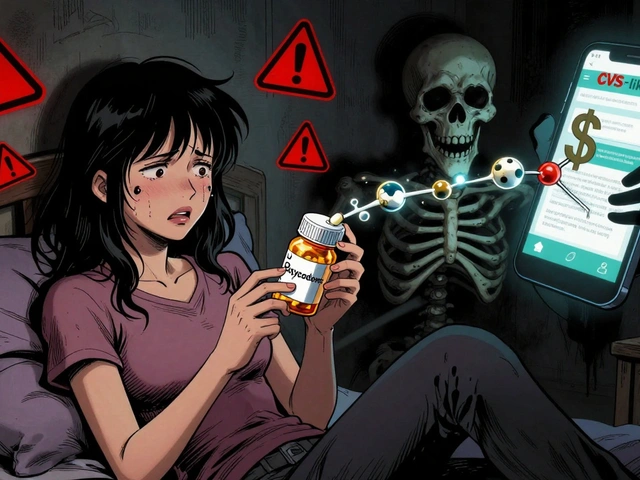
Every year, thousands of people buy pills from websites that look like real pharmacies. They think they’re getting Oxycodone, Adderall, or insulin. Instead, they’re getting something deadly. A woman in Ohio ordered what she believed was oxycodone to manage chronic pain. She took one pill. Three days later, she was dead. The pill wasn’t oxycodone. It was fentanyl - a synthetic opioid 50 times stronger than heroin. This isn’t a rare accident. It’s happening every day.
How fake meds get to your door
Most counterfeit drugs don’t come from shady back-alley dealers. They come from websites that look just like CVS or Walgreens. They have professional logos, secure-looking checkout pages, and even fake pharmacy licenses. The catch? They’re run from warehouses in India, the Dominican Republic, or China. These sites don’t need prescriptions. They don’t ask for medical history. They just take your credit card and ship a box of pills in a plain envelope. The numbers are terrifying. In 2025, Interpol shut down over 13,000 websites, social media pages, and online stores selling fake medicines. That’s not a typo - 13,000. And for every site they take down, 20 new ones pop up. The National Association of Boards of Pharmacy says nearly 95% of online pharmacies selling prescription drugs are illegal. That means if you’re buying pills online without a verified pharmacy license, you’re almost certainly buying counterfeit.What’s really in those pills?
Counterfeit meds aren’t just weak or ineffective. They’re dangerous in ways you can’t predict. Some contain no active ingredient at all. Others have too much - or too little - of the real drug. The most lethal? Pills laced with fentanyl. The U.S. Drug Enforcement Administration (DEA) confirmed over 2,000 deaths in 2024 linked to fake pills containing fentanyl. These aren’t street drugs. They’re made to look exactly like legitimate oxycodone, Xanax, or Adderall. Even experts can’t tell the difference without a lab. Some counterfeit drugs are filled with toxic chemicals - rat poison, floor cleaner, or industrial dyes. Others have the wrong dosage. A fake insulin pen might contain 10% of the required dose - enough to cause diabetic ketoacidosis. Or it might have 500% - leading to a deadly overdose. One patient in the UK reported receiving a bottle of ‘Viagra’ that dissolved instantly in water. That’s not a bad batch. That’s proof it had no binding agents - meaning it was never meant to be swallowed. It was just powder in a bottle.Why people keep buying them
You might wonder: why do people still buy from these sites? The answer is simple - cost and access. A real prescription for semaglutide (the weight-loss drug sold as Ozempic or Wegovy) can cost over $1,000 a month in the U.S. On some fake pharmacy sites, it’s $50. Same for Adderall, Cialis, or insulin. People with chronic conditions, no insurance, or long waiting lists for doctors turn to these sites out of desperation. Social media makes it worse. Influencers post before-and-after photos using ‘cheap meds’ from Instagram ads. No one mentions the risk. No one says, ‘This could kill you.’ The World Health Organization estimates that at least 1 in 10 medicines in low- and middle-income countries are fake. But this isn’t just a problem overseas. In the UK and U.S., people are falling for the same scams. The OECD says over 65% of counterfeit drugs are shipped in small parcels - the kind that slip through customs unnoticed. Criminals know how to hide them. They ship parts separately. They use fake return addresses. They mimic real pharmacy names like ‘PharmaDirectUK’ or ‘CanadaRxOnline’.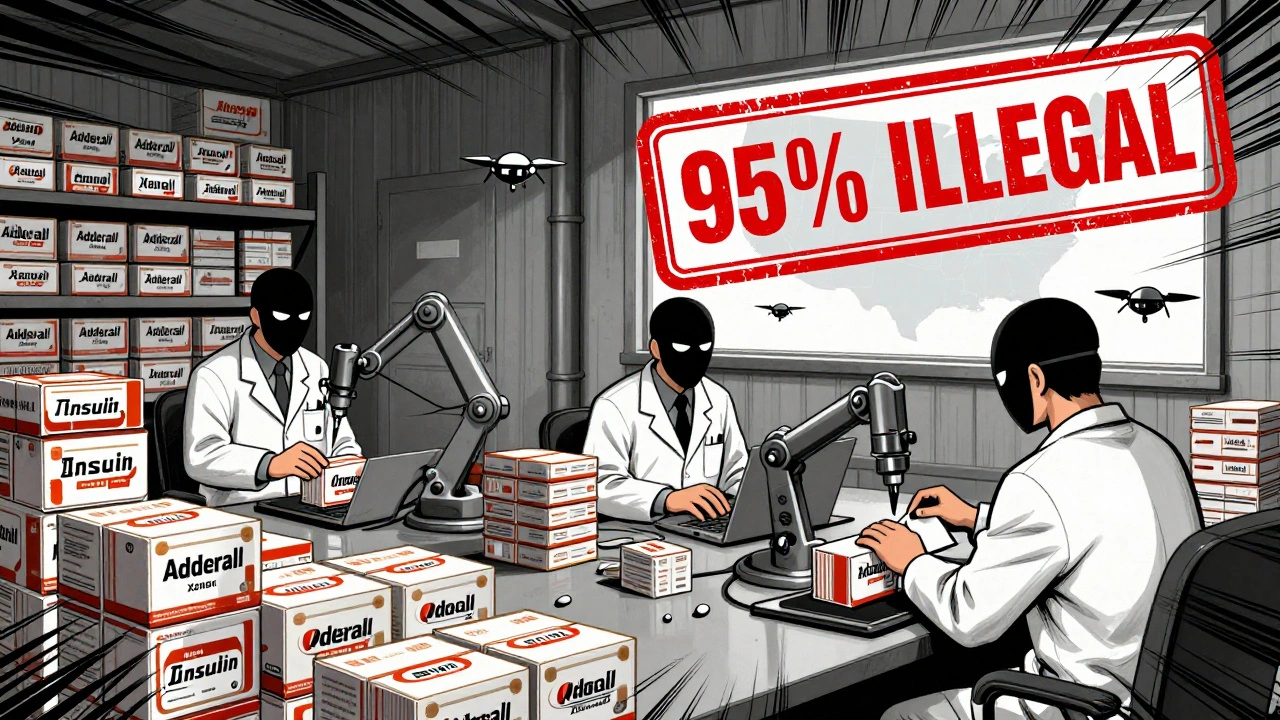
The hidden dangers beyond the pills
Buying from unlicensed sites doesn’t just risk your health. It risks your identity, your money, and your future. These sites don’t just sell fake pills. They steal your data. They collect your name, address, credit card, and even your medical history. Then they sell it. Victims report unauthorized charges months later. Some get targeted by phishing emails pretending to be from ‘their pharmacy.’ Others find their names on dark web marketplaces. There’s also no accountability. If you get sick from a fake pill, who do you call? The pharmacy? It doesn’t exist. The manufacturer? The label is fake. The FDA or NHS? They can’t help if you bought from a site based in another country. There’s no refund. No lawsuit. No recourse. Just pain, confusion, and silence.How to spot a fake pharmacy
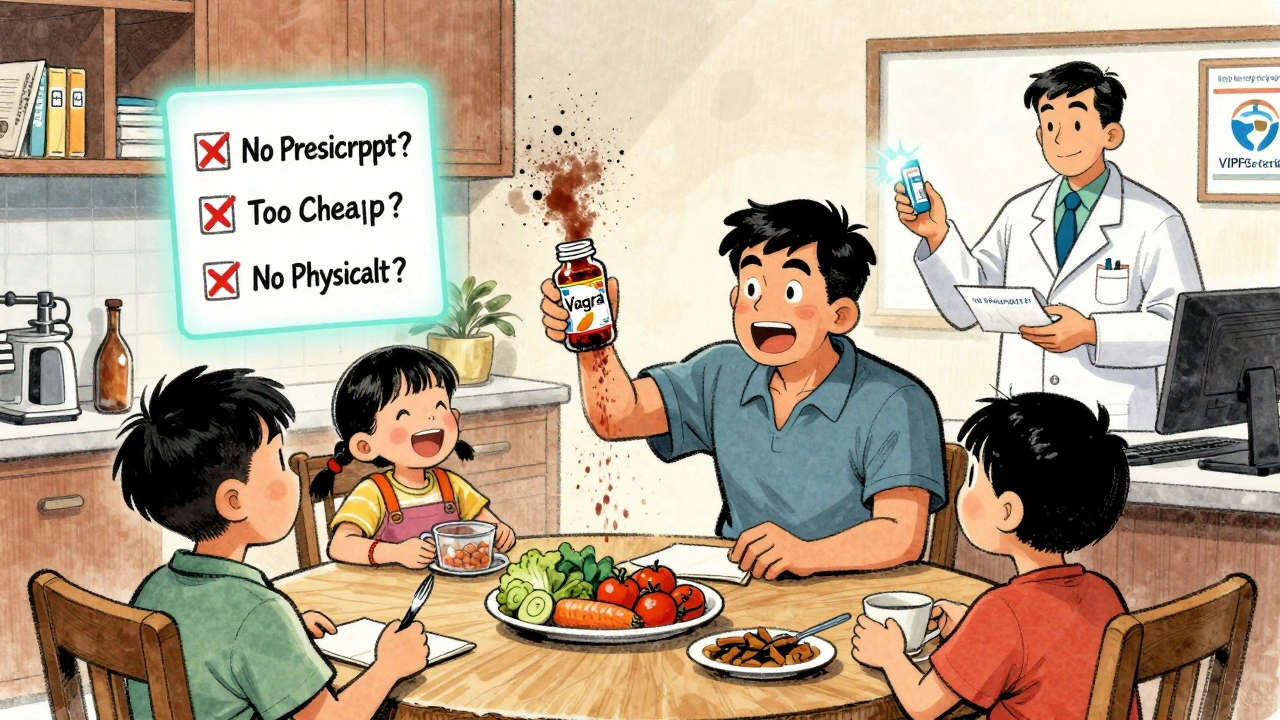
You don’t need to be a tech expert to avoid these traps. Here’s what to look for:- Check for a physical address and phone number. Real pharmacies list them clearly. If it’s just a PO box or a generic contact form, walk away.
- Look for a verified pharmacy seal. In the UK, look for the General Pharmaceutical Council (GPhC) logo. In the U.S., check for the VIPPS seal from the National Association of Boards of Pharmacy. Click it. It should link to the official regulator’s site.
- Don’t buy without a prescription. Any site that sells controlled drugs like oxycodone or Adderall without a prescription is illegal. Period.
- Watch for too-good-to-be-true prices. If insulin costs $30, it’s fake. If Viagra is half the price of a pharmacy, it’s a trap.
- Search the site name + ‘scam’ or ‘complaint’. A quick Google search often reveals dozens of victim reports.
What to do if you’ve already bought fake meds
If you’ve taken pills from an unlicensed site and feel unwell - even slightly - get medical help immediately. Tell the doctor you suspect counterfeit medication. That detail matters. It changes how they treat you. Report the site. In the UK, contact the Medicines and Healthcare products Regulatory Agency (MHRA). In the U.S., report it to the FDA’s MedWatch program. Even if you think it’s too late, your report helps shut down these operations. Interpol’s 2025 crackdown started with consumer tips. If you didn’t take the pills, don’t throw them away. Take them to your local pharmacy. They’re trained to handle suspicious meds and will dispose of them safely.Safe alternatives to risky online buys
You don’t have to pay hundreds for your meds. There are legal, safe options:- Use price comparison tools like PharmacyChecker.com - it lists licensed international pharmacies with verified prices.
- Ask your doctor about generic versions. Most brand-name drugs have cheaper, equally effective generics.
- Check if your pharmacy offers discount programs. Many chain pharmacies have $4 prescription lists for common meds.
- For chronic conditions, talk to your GP about patient assistance programs. Pharmaceutical companies often give free or low-cost meds to those who qualify.
The bottom line
Buying meds online might seem like a shortcut. But it’s a gamble with your life. Every fake pill you take is a roll of the dice - and the odds are stacked against you. The criminals behind these sites aren’t just breaking the law. They’re killing people. And they’re getting better at hiding. The only way to be sure your medicine is safe is to get it from a licensed pharmacy - in person, or through a verified online provider. No exceptions. No shortcuts. Your life isn’t worth the risk.Can you get fake pills from a real pharmacy?
No, licensed pharmacies are legally required to source medications from approved suppliers and verify authenticity before dispensing. Counterfeit drugs are extremely rare in regulated pharmacies. If you suspect a medication from a real pharmacy is fake - unusual color, texture, or no effect - return it immediately and report it to your national health regulator.
Are online pharmacies from other countries safe?
Only if they’re verified by your country’s health authority. In the UK, look for the GPhC logo and a UK-based physical address. In the U.S., only trust VIPPS-certified pharmacies. Most international sites, even those claiming to be Canadian or Australian, are fake. They use fake addresses and ship from hidden warehouses. Never assume a foreign site is safe just because it looks professional.
How do I know if a website is a real pharmacy?
Check for a physical address, a licensed pharmacist on staff, and a valid license number you can verify on your national pharmacy board’s website. In the UK, visit the GPhC register. In the U.S., use the NABP’s VIPPS verification tool. If the site doesn’t let you contact a real pharmacist by phone or chat, it’s not legitimate.
What should I do if I think I bought counterfeit medication?
Stop taking it immediately. Contact your doctor or go to urgent care if you feel unwell. Then report the website to your national health regulator - MHRA in the UK, FDA in the U.S. Keep the packaging and pills as evidence. Do not throw them away. These reports help authorities track and shut down criminal networks.
Why are fake meds so common on social media?
Social media platforms don’t always police ads effectively. Criminals use influencers, misleading before-and-after photos, and targeted ads to sell fake weight-loss drugs, erectile dysfunction pills, or ADHD meds. They target people searching for affordable treatments. The ads look like real health content. But they lead to illegal sites. If a post promises miracle results with no prescription, it’s a red flag.
Can counterfeit meds be deadly even if I only take one?
Yes. A single fake pill laced with fentanyl can be fatal. Fentanyl is so potent that even a tiny amount - smaller than a grain of salt - can stop your breathing. There’s no warning. No tolerance built up. One pill, one chance. That’s why health agencies warn: never take pills from unverified sources, no matter how small the dose.
Richard Eite
Fake pills are killing Americans and nobody in government does a damn thing
Katherine Chan
I get it - meds are expensive but please don’t risk your life for a discount. I had a cousin who bought fake Adderall and ended up in the ER. She’s fine now but it scared the hell out of us all. There are real ways to save money - talk to your doctor, use generics, check patient programs. You’re worth more than a risky click.
Brianna Black
This is not just an American crisis - it’s a global tragedy. In Lagos, my sister’s friend bought ‘insulin’ from a Facebook ad. It was sugar and dye. She lost her leg. In India, counterfeit antibiotics are fueling drug-resistant superbugs. These criminals don’t care about borders. They care about profit. And we’re letting them win by staying silent.
Darcie Streeter-Oxland
It is regrettable that the regulatory framework remains insufficiently robust to address the proliferation of illicit online pharmaceutical vendors. The absence of mandatory cross-border intelligence sharing between national pharmacovigilance authorities constitutes a systemic failure of oversight.
Sarah Gray
You misspelled ‘pharmacies’ in paragraph three. Also, ‘VIPS’ should be ‘VIPPS’. And you used ‘it’s’ incorrectly twice. If you’re going to write about life-or-death issues, at least proofread. People die because of carelessness like this.
ian septian
Just use PharmacyChecker. It’s free. Saved me $800 on my thyroid med last year.
Chris Marel
I come from a place where people buy meds online because they have no other choice. No insurance. No clinics. No hope. I’m not defending the scams - but we need better systems, not just warnings. How do we make safe meds affordable without turning people into criminals just for trying to survive?
om guru
Respect for the truth is the foundation of public health. The proliferation of counterfeit pharmaceuticals reflects a deeper erosion of ethical standards in commerce. Vigilance and education are the only antidotes. Act with wisdom. Prioritize safety above convenience. The body does not forgive negligence.
Haley P Law
My aunt took one fake Xanax and had a seizure. She’s in a wheelchair now. I’m not crying. I’m just done. 💔