
Diabetes Medication Interaction Checker
Select your primary diabetes medication type and a secondary medication you are taking or considering.
Managing diabetes is often like walking a tightrope. You have to balance blood sugar levels without tipping too far in either direction. But what happens when the drugs you take for other conditions start pulling on that same rope? Diabetes medication interactions are chemical conflicts between antidiabetic drugs and other medications that can cause dangerous spikes or drops in blood sugar. These aren't just minor side effects; they can lead to hospital visits or worse.
If you're taking insulin or oral diabetes meds, you need to know which common prescriptions might be working against you. The American Diabetes Association's 2025 Standards of Care highlights this as a critical safety issue. Let’s look at the specific combinations that require your immediate attention and how to stay safe.
The Hidden Danger of Hypoglycemia
The most immediate risk from drug interactions is hypoglycemia-blood sugar dropping too low. This isn't just feeling a bit shaky; it can lead to confusion, seizures, or loss of consciousness. Certain drug classes amplify the effect of your diabetes meds, pushing your glucose levels down faster than intended.
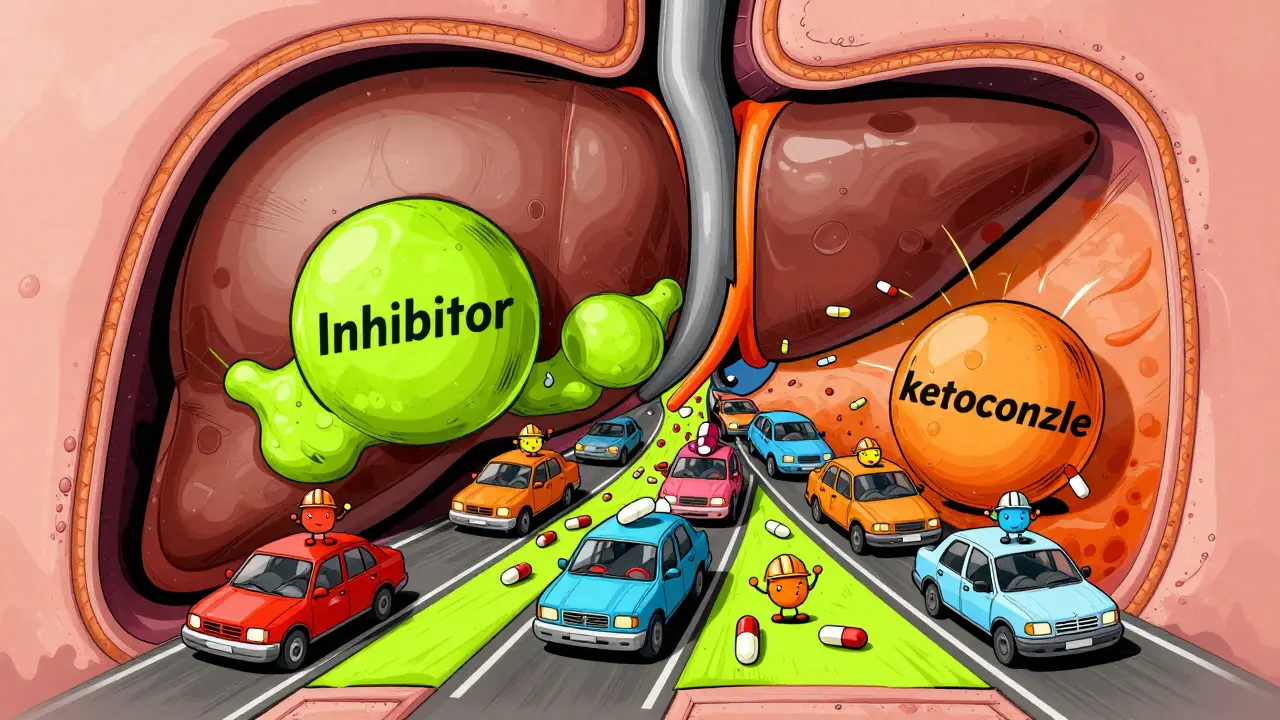
Sulfonylureas, such as glipizide and glyburide, stimulate your pancreas to release more insulin. When combined with certain antibiotics or antifungals, this effect becomes exaggerated. For example, if you’re prescribed an azole antifungal like ketoconazole for a fungal infection, it can block the enzymes (specifically CYP3A4 and CYP2C9) that break down these diabetes drugs. The result? Your body holds onto the medication longer, leading to severe hypoglycemia.
Meglitinides, including repaglinide and nateglinide, face similar issues. Repaglinide is particularly vulnerable to CYP3A4 inhibitors. If you take clarithromycin, a common antibiotic, alongside repaglinide, you significantly increase the risk of a dangerous low blood sugar event. Always ask your pharmacist about these specific pairings before starting a new course of antibiotics.
CYP Enzymes: The Body's Chemical Traffic Controllers
To understand why some drugs clash, you need to look at the cytochrome P450 system. These are liver enzymes responsible for metabolizing many medications. Think of them as traffic controllers directing chemical flow. When one drug blocks these controllers, other drugs pile up in your bloodstream.
- CYP3A4: Metabolizes many sulfonylureas and meglitinides. Inhibited by macrolide antibiotics and azole antifungals.
- CYP2C8: Crucial for rosiglitazone metabolism. Inhibited by gemfibrozil, a cholesterol drug.
- CYP2C9: Handles warfarin and some sulfonylureas. Inhibited by fluconazole.
For instance, combining Rosiglitazone with gemfibrozil doesn't just affect blood sugar. It can lead to toxic levels of rosiglitazone in your system, increasing the risk of heart failure and edema. This is a classic pharmacokinetic interaction where the metabolic pathway is blocked, causing drug accumulation.
Drugs That Raise Blood Sugar (Hyperglycemia)
Not all interactions cause lows. Some medications push your blood sugar up, making your diabetes harder to control. This is known as hyperglycemia. Ignoring these can lead to long-term complications like nerve damage or vision problems.
Corticosteroids, such as prednisone, are among the biggest offenders. Often prescribed for inflammation, asthma, or autoimmune conditions, they induce insulin resistance. Your cells stop responding properly to insulin, so glucose stays in your blood. If you're on a fixed dose of insulin, adding steroids can cause your levels to skyrocket. You may need temporary adjustments to your diabetes regimen under medical supervision.
Thiazide diuretics, used for high blood pressure, also raise blood glucose. They deplete potassium, which is essential for insulin secretion. Low potassium means less insulin release, leading to higher blood sugar. If you notice your readings creeping up after starting a new blood pressure med, this could be the culprit.
| Drug Class | Effect on Glucose | Example Medications | Risk Level |
|---|---|---|---|
| Corticosteroids | Increases (Hyperglycemia) | Prednisone, Dexamethasone | High |
| Azole Antifungals | Decreases (Hypoglycemia) | Ketoconazole, Fluconazole | High |
| Thiazide Diuretics | Increases (Hyperglycemia) | Hydrochlorothiazide | Moderate |
| Beta-Blockers | Masks Hypoglycemia Symptoms | Metoprolol, Atenolol | Moderate |
| SGLT-2 Inhibitors | Lowers (Safe Combination) | Empagliflozin, Dapagliflozin | Low Interaction Risk |
Newer Agents: Lower Interaction Potential
Fortunately, not all diabetes medications carry heavy interaction baggage. Newer classes like GLP-1 Receptor Agonists (e.g., semaglutide, liraglutide) and SGLT-2 Inhibitors (e.g., empagliflozin) generally have fewer drug-drug interactions. They work through different mechanisms that don't rely heavily on the CYP enzyme system.
This makes them safer partners for people taking multiple medications. Current guidelines prioritize GLP-1 RA/insulin combinations over older insulin monotherapies because they offer superior glycemic control with a reduced risk of hypoglycemia. SGLT-2 inhibitors excrete excess glucose through urine, bypassing many metabolic pathways involved in drug interactions.
However, there is one strict rule: do not combine DPP-4 inhibitors with GLP-1 RAs. The American Diabetes Association explicitly prohibits this combination. Both drugs target the incretin system, offering redundant benefits without added efficacy. Taking both increases cost and potential side effects without improving blood sugar control.

Special Cases: Somatostatin Analogs and Quinine
Some drugs create unpredictable swings. Somatostatin analogues, used for hormonal disorders, can suppress both insulin and glucagon secretion. This dual action can cause either hypoglycemia or hyperglycemia, depending on your individual physiology. Monitoring becomes extra critical here.
Quinine, sometimes used for leg cramps, has been linked to severe hypoglycemia in diabetic patients. It stimulates insulin release independently of blood glucose levels. Even a single dose can trigger a significant drop. If you experience unexplained lows, review any over-the-counter remedies or supplements you might be taking.
Practical Steps for Safe Management
You don't have to navigate this alone. Here’s how to protect yourself:
- Keep an Updated Medication List: Include all prescription drugs, over-the-counter meds, and supplements. Show this list to every doctor and pharmacist you see.
- Ask About Interactions: Before starting any new medication, specifically ask, "Could this affect my blood sugar or interact with my diabetes drugs?"
- Monitor More Frequently: When starting a new drug that affects glucose, check your blood sugar more often. Look for trends, not just single readings.
- Know the Warning Signs: Learn the symptoms of both hypo- and hyperglycemia. Beta-blockers can mask the trembling and rapid heartbeat associated with lows, so rely on meter readings.
- Consult Your Healthcare Team: Don't adjust doses on your own. Work with your endocrinologist or primary care provider to find the right balance.
Remember, the goal is stable control. By understanding these interactions, you turn potential dangers into manageable variables. Stay informed, stay vigilant, and keep your healthcare team in the loop.
Can I take metformin with antibiotics?
Generally, yes, but caution is needed. Most antibiotics do not directly interact with metformin. However, some antibiotics can affect kidney function, and since metformin is cleared by the kidneys, impaired renal function increases the risk of lactic acidosis. Always inform your doctor if you have kidney issues or are taking nephrotoxic drugs.
Why does the ADA prohibit combining DPP-4 inhibitors and GLP-1 RAs?
Both drug classes work on the incretin system to regulate insulin and glucagon. Using them together provides redundant mechanisms without additional clinical benefit. This combination increases costs and potential side effects like nausea without improving glycemic control, so guidelines recommend choosing one or the other.
Which drugs are most likely to cause hypoglycemia in diabetics?
Azole antifungals (like ketoconazole), macrolide antibiotics (like clarithromycin), and quinine are high-risk. They inhibit the enzymes that break down sulfonylureas and meglitinides, leading to drug accumulation and excessive insulin release. Always monitor closely when starting these medications.
Do SGLT-2 inhibitors have significant drug interactions?
SGLT-2 inhibitors have a lower potential for drug interactions compared to older agents. They primarily act in the kidneys to excrete glucose and do not heavily rely on the CYP enzyme system for metabolism. This makes them safer options for patients on multiple medications.
How do corticosteroids affect blood sugar?
Corticosteroids like prednisone cause insulin resistance, meaning your cells don't respond well to insulin. This leads to increased blood glucose levels (hyperglycemia). Patients often need temporary adjustments to their diabetes medication while taking steroids to maintain control.

Write a comment