
Drug-Induced Lupus Risk & Recovery Estimator
Patient Profile
Enter your medication details to see risk estimates and recovery timelines.
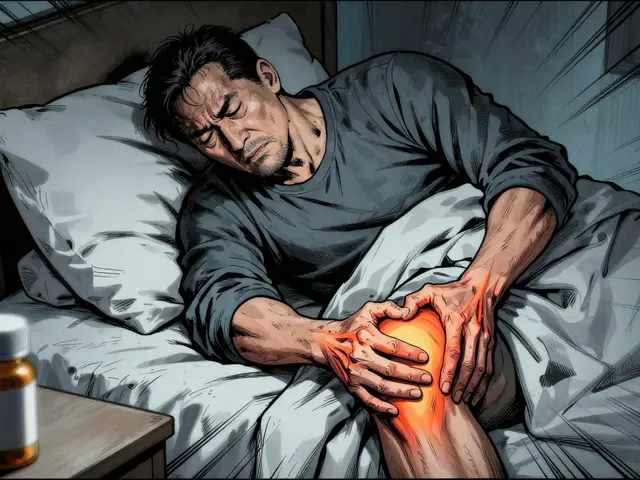
Imagine waking up with severe joint pain, unexplained fevers, and crushing fatigue. You might assume you’ve developed a chronic autoimmune disease like systemic lupus erythematosus (SLE). But what if the culprit isn’t your genetics or an unknown virus? What if it’s the blood pressure medication you’ve been taking for six months?
This is the reality of drug-induced lupus, a condition where specific medications trigger the immune system to attack healthy tissues, mimicking the symptoms of classic lupus. Unlike idiopathic SLE, which is a lifelong battle for millions, drug-induced lupus is typically reversible. Once the offending drug is stopped, symptoms often vanish completely within weeks.
Understanding this condition is critical because misdiagnosis can lead to years of unnecessary immunosuppressive therapy. If you are over 50 and experiencing new inflammatory symptoms while on certain prescriptions, reading this guide could save you from a medical dead end.
What Is Drug-Induced Lupus and How Does It Differ From SLE?
Drug-induced lupus (DIL) is an autoimmune reaction triggered by exposure to specific pharmaceutical agents. First documented in the 1950s after patients taking hydralazine for hypertension developed lupus-like symptoms, DIL was long considered a rare curiosity. Today, we know it accounts for roughly 10-15% of all lupus-like diagnoses in the United States.
The key difference between DIL and systemic lupus erythematosus (SLE) lies in its reversibility and demographic profile. SLE predominantly affects women of childbearing age (15-45 years) at a ratio of 9 females to 1 male. In contrast, DIL strikes men and women equally and mostly affects adults over 50. Furthermore, while SLE often damages major organs like the kidneys and brain, DIL rarely does so. Renal disease occurs in fewer than 5% of DIL cases compared to 30-50% in SLE, and neurological involvement is seen in less than 3% of DIL patients versus up to 30% in SLE.
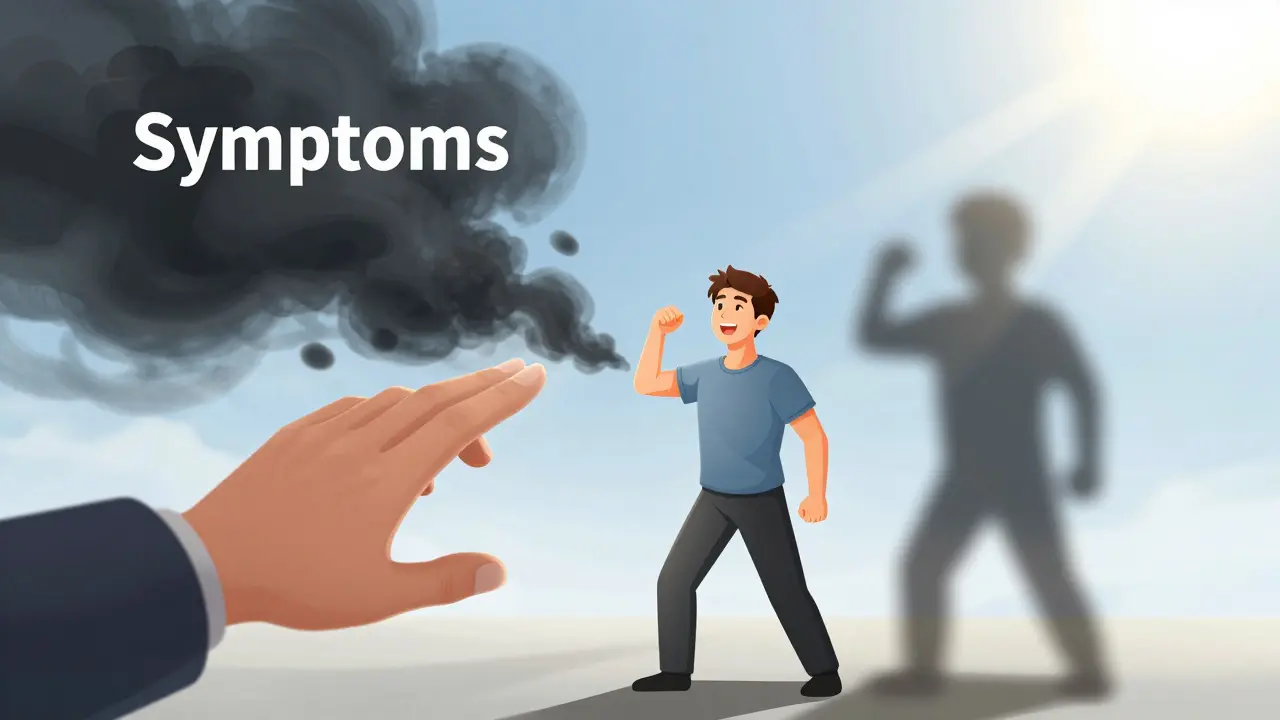
Think of SLE as a fire that has taken root in the building’s structure, requiring constant management to prevent collapse. DIL is more like smoke filling the room due to a faulty heater; once you turn off the heater (the drug), the air clears, and the damage heals.
Common Symptoms: What to Look For
The symptoms of drug-induced lupus are insidious because they mimic many other conditions, including fibromyalgia and chronic fatigue syndrome. However, there is a distinct pattern that rheumatologists look for. The most common complaints include:
- Fatigue and Malaise: Reported in 80-90% of cases, this isn’t just tiredness; it’s a profound lack of energy that rest doesn’t fix.
- Muscle and Joint Pain: Arthralgia (joint pain) affects 65-75% of patients, often accompanied by swelling. Myalgia (muscle pain) is present in 75-85% of cases.
- Fever: Unexplained low-grade fevers occur in 50-60% of patients.
- Serositis: Inflammation of the lining around the lungs (pleuritis) or heart (pericarditis) happens in 25-35% of cases, causing sharp chest pain when breathing deeply.
- Weight Loss: Unintended weight loss occurs in 30-40% of individuals.
Cutaneous (skin) manifestations differ significantly from SLE. While the classic "butterfly rash" appears in 40-60% of SLE patients, it only shows up in 10-15% of DIL cases. Photosensitivity is also less common in DIL (20-30%) compared to SLE (40-60%). If you have joint pain but no rash, don’t rule out lupus entirely-especially if you’re on high-risk meds.

High-Risk Medications: Who Is Most Vulnerable?
Not every pill carries this risk. Certain drugs are notorious for triggering DIL due to how they interact with the body’s immune markers. The risk is highest with older medications, though newer biologics are emerging causes.
| Medication Class | Specific Drug | Risk Level / Incidence | Typical Onset Time |
|---|---|---|---|
| Antiarrhythmics | Procainamide | Very High (Up to 30% with long-term use) | 3 weeks to 24 months |
| Antihypertensives | Hydralazine | High (5-10%, higher in slow acetylators) | 3-6 months |
| Antibiotics | Minocycline | Moderate (1-3%) | Months to years |
| Biologics | TNF-alpha inhibitors (e.g., Infliximab) | Moderate (12-15% of new DIL cases since 2015) | Variable |
| Anticonvulsants | Isoniazid | Moderate | Months |
Genetics play a surprising role here. Research from Mayo Clinic indicates that people who are "slow acetylators"-meaning their liver processes drugs slowly due to variations in the NAT2 gene-are 4.7 times more likely to develop hydralazine-induced lupus. Similarly, those with the HLA-DR4 genetic marker have a 3.2-fold increased risk. This explains why two people can take the same dose of hydralazine, but only one develops DIL.
Diagnosis: Testing and Identifying the Culprit
Diagnosing DIL is largely a process of elimination and pattern recognition. Dr. Robert Phillips, a rheumatologist at Johns Hopkins University, notes that the temporal relationship between starting a drug and symptom onset is the single most important clue. Typically, symptoms appear after 3-6 months of continuous use, though this window can range from 3 weeks to 24 months.
The diagnostic workflow usually involves three steps:
- Comprehensive Medication History: Your doctor will review every prescription, over-the-counter drug, and supplement you take. Polypharmacy (taking multiple drugs) makes this tricky, so a structured withdrawal protocol may be used if the cause is unclear.
- Blood Tests for Autoantibodies:
- Antinuclear Antibody (ANA): Positive in over 95% of DIL cases. A negative ANA essentially rules out lupus.
- Anti-Histone Antibodies: This is the hallmark of DIL. Approximately 75-90% of DIL patients test positive for these, especially those caused by hydralazine and procainamide. In contrast, only 50-70% of SLE patients have them.
- Anti-dsDNA Antibodies: These are found in 60-70% of SLE patients but in fewer than 10% of DIL cases. Their absence supports a DIL diagnosis.
- Inflammatory Markers: Elevated Erythrocyte Sedimentation Rate (ESR) and C-Reactive Protein (CRP) indicate systemic inflammation, supporting the presence of an active autoimmune process.
A critical pitfall to avoid is misdiagnosis. Up to 25% of DIL cases are initially labeled as SLE, leading patients onto dangerous, long-term immunosuppressants like cyclophosphamide when they simply needed to stop a blood pressure med. Always ask your rheumatologist: "Could this be drug-induced?"
Recovery and Treatment: What Happens Next?
The good news? Drug-induced lupus is highly treatable. The primary treatment is immediate discontinuation of the causative agent. You do not need to taper off the drug unless it’s a steroid or benzodiazepine; for most DIL triggers, stopping abruptly under medical supervision is standard.
Here is what the recovery timeline typically looks like based on patient data and clinical studies:
- Weeks 1-4: About 80% of patients report significant improvement in joint pain and fatigue within the first month. Fever and serositis often resolve quickly.
- Weeks 4-12: By three months, 95% of patients have fully resolved symptoms. Anti-histone antibody levels may remain elevated for several months even after symptoms disappear, so don’t panic if follow-up blood tests still show positivity.
- Long-Term: Complete resolution is expected in 80-90% of cases. Persistent symptoms are rare but may require short-term management.
If symptoms linger, doctors may prescribe Non-Steroidal Anti-Inflammatory Drugs (NSAIDs) like ibuprofen or naproxen, which help 60-70% of mild cases. For moderate persistent inflammation, low-dose corticosteroids (5-10 mg prednisone daily) for 4-8 weeks are effective in 85-90% of cases. Severe cases involving organ inflammation might temporarily require immunosuppressants like azathioprine, but this is uncommon.
The biggest challenge during recovery is managing the underlying condition. If you had hydralazine for hypertension, your doctor must switch you to an alternative like lisinopril or amlodipine, which carry negligible DIL risk. If you were on procainamide for arrhythmia, amiodarone is a common substitute with a much lower risk profile (0.1-0.3%).
Prevention and Future Outlook
Can you prevent drug-induced lupus? Not entirely, but you can mitigate risk. Awareness is your best defense. If you are prescribed high-risk medications like hydralazine or procainamide, discuss your genetic risk factors with your doctor. Some European guidelines now recommend NAT2 genotyping before starting hydralazine to identify slow acetylators.
Keep a detailed log of any new symptoms that arise after starting a new medication. Report joint pain, rashes, or unexplained fevers to your provider immediately. Early detection means faster discontinuation and quicker recovery.
Looking ahead, the landscape of DIL is shifting. With the rise of biologic therapies and immune checkpoint inhibitors (like pembrolizumab for cancer), new forms of drug-induced autoimmunity are emerging. However, improved diagnostic criteria published by the American College of Rheumatology in 2023 aim to reduce the average diagnostic delay from 4.7 months to under two months. As pharmacogenetic testing becomes more mainstream, we may soon be able to predict who is at risk before they ever take the first pill.
How long does it take for drug-induced lupus symptoms to go away?
Most patients experience significant improvement within 2 to 4 weeks after stopping the offending medication. Complete resolution typically occurs within 3 months (12 weeks) for 95% of patients. However, blood markers like anti-histone antibodies may remain positive for several months longer, even after you feel better.
Is drug-induced lupus permanent?
No, drug-induced lupus is generally not permanent. Unlike systemic lupus erythematosus (SLE), which is a chronic lifelong condition, DIL is reversible. Once the triggering drug is discontinued, the immune system usually returns to normal, and symptoms resolve completely in 80-90% of cases.
What is the difference between drug-induced lupus and regular lupus?
The main differences are cause and severity. Regular lupus (SLE) is an idiopathic autoimmune disease often affecting young women and damaging kidneys and the brain. Drug-induced lupus is triggered by specific medications, affects men and women equally (mostly over 50), and rarely causes kidney or brain damage. Also, DIL patients usually test positive for anti-histone antibodies but negative for anti-dsDNA antibodies, whereas SLE patients often show the opposite pattern.
Which medications are most likely to cause drug-induced lupus?
The highest risk medications are procainamide (used for heart rhythm issues) and hydralazine (used for high blood pressure). Other notable causes include minocycline (an antibiotic for acne), isoniazid (for tuberculosis), and certain TNF-alpha inhibitor biologics used for arthritis and Crohn's disease. Procainamide carries the highest incidence rate, with up to 30% of long-term users developing symptoms.
Can I take the same medication again after recovering from drug-induced lupus?
Generally, no. Re-exposure to the causative drug can trigger a rapid and severe recurrence of symptoms, sometimes within days or weeks. Doctors will almost always switch you to an alternative medication in a different class to manage your original condition safely.
Write a comment