
Imagine walking into your local pharmacy to pick up a routine prescription for blood pressure or an antibiotic, only to be told it’s out of stock. Not just low in inventory-gone. You’re asked to wait weeks, switch to a less effective alternative, or pay triple the price. This isn’t a rare glitch anymore. It’s happening across the United States, affecting millions of patients and overwhelming healthcare providers.
As of mid-2025, there are over 270 active generic drug shortages in the U.S., according to the American Society of Health-System Pharmacists (ASHP). That number may sound abstract, but it translates to real-world chaos: delayed surgeries, modified cancer treatments, abandoned prescriptions, and exhausted pharmacists spending hours each week scrambling for alternatives.
What Exactly Are Generic Drug Shortages?
A generic drug shortage occurs when demand for a medication exceeds its available supply due to manufacturing issues, quality failures, raw material scarcity, or other supply chain disruptions. Unlike brand-name drugs, which often have multiple manufacturers and therapeutic substitutes, generics typically have very few producers-sometimes just one or two FDA-approved facilities nationwide.
| Metric | Value |
|---|---|
| Active shortages (April 2025) | 270 |
| % of all prescriptions that are generic | ~90% |
| Median duration of shortage | 24 months (up from 12 in 2011) |
| % caused by manufacturing/quality issues | 62% |
| Hospitals reporting critical shortages | 89% |
The problem didn’t emerge overnight. Between 2007 and 2012, annual shortages jumped from around 60-70 to over 250. Since then, they’ve remained stubbornly high, with brief dips followed by sharp rebounds. The root causes? A perfect storm of economic pressures, regulatory hurdles, and fragile global supply chains.
Why Do Generic Drugs Face More Shortages Than Brand Names?
You might assume brand-name drugs would be more vulnerable-they’re expensive, complex, and tightly controlled. But the data tells a different story. Between 2018 and 2023, there were 1,391 generic drug shortages compared to just 600 for brand names. Why?
- Thin profit margins: Generic manufacturers earn as little as 5-10% gross margin, versus 30-40% for branded drugs. Low profits mean less incentive to invest in backup capacity or quality control.
- Manufacturing concentration: About 70% of generic drugs have only one or two approved makers. If one facility shuts down, the entire supply can vanish.
- Global dependency: Over half of U.S. medications are made abroad, with ~80% of active pharmaceutical ingredients (APIs) coming from China and India. Geopolitical tensions, shipping delays, or factory closures ripple quickly through the system.
- No excess capacity: To keep costs low, many generic producers run factories at near-maximum output. There’s no buffer when something goes wrong.
Dr. Valerie Malta of the University of Utah Drug Information Service puts it bluntly: “Low-priced drugs are more vulnerable to shortage because thin margins disincentivize investment in production quality.” In short, the market rewards cheapness over reliability-and patients pay the price.
How Shortages Hit Patients and Providers Hard
The human cost is staggering. A 2022 American Medical Association survey found that 63% of pharmacists reported serious adverse patient outcomes linked to drug shortages. Here’s what that looks like on the ground:
- Cancer care disrupted: 67% of oncology centers had to alter chemotherapy regimens due to missing drugs like cisplatin. Some patients faced longer treatment timelines or weaker protocols.
- Infection risks rise: One hospital pharmacist noted being without vancomycin powder for eight months, forcing use of pricier, less-effective antibiotics.
- Pain management suffers: Chronic pain patients report denied refills despite legitimate needs, leading to emergency room visits for uncontrolled symptoms.
- Pharmacies overwhelmed: Independent pharmacies spend an average of 12.3 hours per week sourcing alternatives. Forty-three percent say patients abandon prescriptions entirely due to cost or availability.
Hospitals aren’t spared either. The American Hospital Association estimates $213 million spent annually managing shortages-from extra staff time to revised treatment plans. And with 72% of hospitals saying shortages worsen existing staffing crises, the strain compounds daily.
The Supply Chain Behind the Crisis
To understand why this keeps happening, you need to look upstream-at how these drugs are actually made.
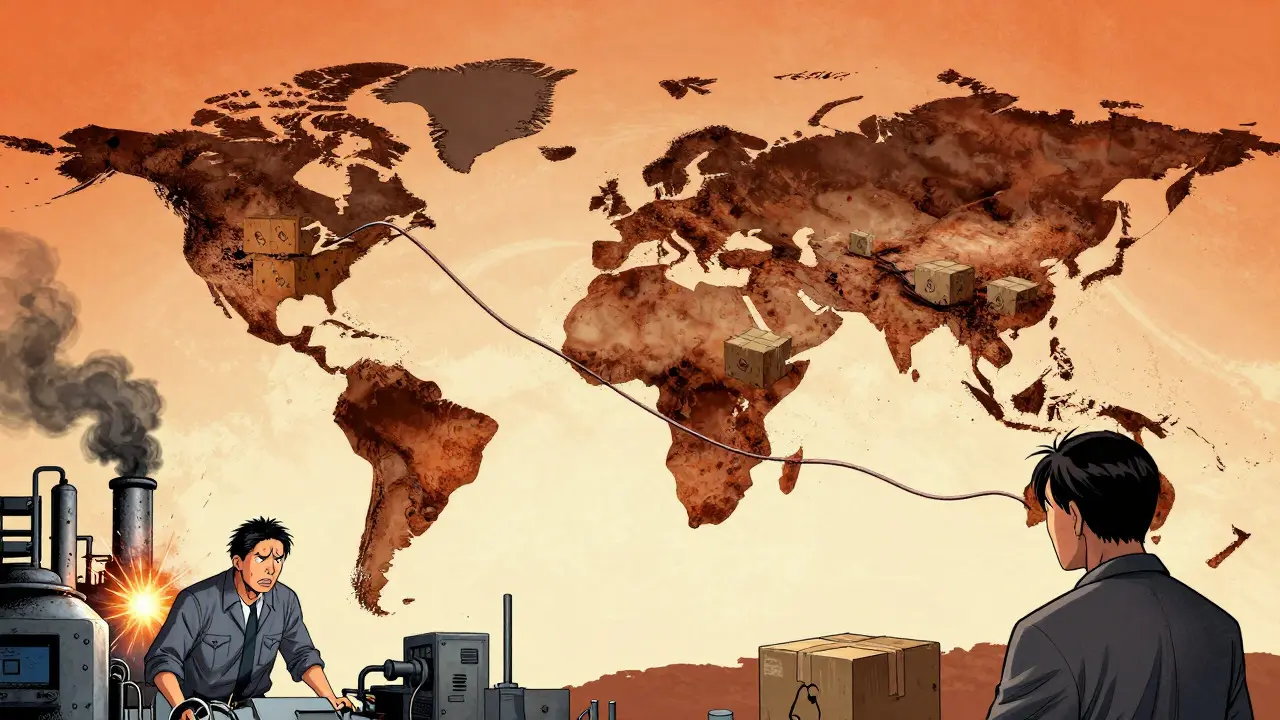
Most generic sterile injectables (which account for ~60% of all shortages) require specialized clean-room environments and rigorous testing. These processes are costly and slow. When a batch fails inspection-which happens frequently-the whole lot gets scrapped. With minimal surplus inventory, shelves go bare fast.
Then there’s the geography issue. While the U.S. has fewer than 1,500 registered generic manufacturing sites today (down 22% since 2015), most API production sits overseas. Tariffs proposed in early 2025 ranging from 50-200% could further destabilize imports, especially for life-saving IV fluids and chemo agents.
Regulatory scrutiny hasn’t helped ease things. FDA citation rates for manufacturing defects rose 35% between 2020 and 2024. Stricter standards are good for safety-but without financial support, smaller generic firms struggle to comply, sometimes choosing to exit markets altogether.
Who’s Trying to Fix It? And Is It Working?
Efforts exist, though progress remains uneven.
In October 2020, Executive Order 14050 created the Essential Medicines List-a priority catalog meant to protect vital drugs from shortage. For a while, it worked: essential medicine shortages dropped 32% between 2020 and 2023. But momentum stalled. By Q1 2024, total shortages hit a record 323 before easing slightly to 253 by June 2025.
The FDA’s Drug Shortage Task Force outlines four strategies moving forward:
- Diversify manufacturing locations globally
- Create financial incentives for reliable suppliers
- Adopt advanced tech like continuous manufacturing
- Improve early warning systems using AI and data sharing
Yet experts remain skeptical. Dr. Erin Fox warns that “maintaining zero excess capacity makes the supply chain brittle.” Meanwhile, the Congressional Budget Office projects shortages will climb to 350 by end-of-2026 unless policy changes address underlying pricing flaws.
What Can You Do Right Now?
If you’re a patient, here’s how to navigate shortages proactively:
- Talk to your prescriber early: Ask if therapeutic alternatives exist before filling your next refill.
- Check ASHP’s shortage tracker: Their website lists current shortages and expected resolution dates.
- Consider mail-order pharmacies: They sometimes stockpile harder-to-find generics.
- Document everything: Keep records of denied claims, substituted meds, and communication with providers-it helps during appeals or insurance disputes.
For clinicians and pharmacists, building internal contingency plans is crucial. Maintain updated substitution guides, train staff on off-label uses where safe, and collaborate regionally to share resources during crunch times.
Looking Ahead: Will Things Get Better?
Short-term fixes won’t solve systemic problems. Without meaningful reform-like guaranteed minimum prices for essential generics, tax credits for domestic production, or mandatory reserve stocks-we’ll likely see continued volatility.
Some hope lies in emerging technologies. Continuous manufacturing allows real-time monitoring and faster turnaround, reducing waste and improving consistency. Pilot programs show promise, but widespread adoption requires capital most small generic makers lack.
Policy shifts also matter. Proposals to strengthen the Federal Supply Schedule or expand Medicare negotiation powers could create stable demand pools, encouraging manufacturers to stay invested long-term.
Until then, resilience becomes the default strategy-for both systems and individuals.
Are generic drug shortages getting worse?
Yes. Although numbers fluctuate yearly, the median duration of shortages has doubled since 2011-from 12 to 24 months-and the frequency remains far above historical norms. Structural issues in manufacturing and economics continue to drive new shortages faster than solutions take hold.
Why do generic drugs have more shortages than brand names?
Generics operate on razor-thin margins (5-10%) compared to brands (30-40%), discouraging investment in redundancy or quality upgrades. Plus, most generics rely on just one or two manufacturers, creating single points of failure. Brands usually have multiple sources and therapeutic substitutes available.
How do drug shortages affect cancer patients?
Severely. Sixty-seven percent of cancer centers report modifying chemo regimens due to missing drugs like cisplatin. Delays can reduce efficacy, increase side effects, or force switches to inferior therapies. Oncology departments face some of the highest stress levels during shortage periods.
Is the government doing anything to fix this?
Partially. Executive Order 14050 established an Essential Medicines List that temporarily reduced critical shortages. The FDA’s Task Force promotes diversification and innovation, but lasting change requires legislative action-such as price floors, production incentives, or strategic reserves-which haven’t yet materialized.
Where should I check for current drug shortages?
The American Society of Health-System Pharmacists (ASHP) maintains a publicly accessible, regularly updated database of ongoing shortages including start dates, reasons, and projected resolutions. Your pharmacist or primary care provider can also help track status locally.
Can tariffs make drug shortages worse?
Likely yes. Up to 80% of active pharmaceutical ingredients come from China and India. Proposed tariffs of 50-200% could raise import costs significantly, prompting manufacturers to delay shipments or halt production until subsidies or exemptions arrive-especially impacting sterile injectables and IV solutions.
What’s the difference between a drug shortage and a recall?
A recall removes unsafe products already distributed; a shortage means insufficient supply meets demand. Recalls can trigger shortages if replacements aren’t ready, but not all shortages stem from recalls. Many arise from planned discontinuations, equipment failures, or raw material gaps.
Do independent pharmacies suffer more from shortages?
Often yes. Large chains benefit from bulk purchasing power and centralized logistics. Independents must source individually, facing higher markups and limited options. Seventy-eight percent report spending over 12 hours weekly finding substitutes, and nearly half say patients drop prescriptions due to hassle or cost.
Will technology solve the shortage problem?
Technology alone won’t fix it-but it helps. Advanced analytics improve forecasting, while continuous manufacturing reduces waste and speeds up batches. However, adopting these tools requires upfront investment many small generic producers can’t afford without government grants or loans.
Should I hoard medications during shortages?
Generally no. Hoarding exacerbates scarcity for others who need immediate doses. Instead, work with your doctor to adjust timing, explore biosimilar or equivalent options, or coordinate with nearby clinics/pharmacies. Community cooperation yields better results than individual stockpiling.
Write a comment