
Interaction Timing Calculator
Your Recommended Schedule
Have you ever felt exhausted even after taking your morning thyroid pill? You might blame your stress or sleep habits, but there is a sneaky culprit hiding in your supplement bottle. Many people don’t realize that common Magnesium Supplementsdietary supplements containing magnesium ions used to treat deficiency or muscle cramps can block your body from absorbing essential medicine. If you take thyroid medication or certain antibiotics, simply swallowing them together means you are wasting money and risking your health.
This isn’t just theoretical advice; it changes real lab results. Research shows that mixing these substances can reduce drug effectiveness by up to 35%. The good news is that solving this problem takes time management rather than stopping your supplements. By understanding exactly how long to wait between pills, you keep your thyroid stable and your infections treated properly without losing out on the benefits of magnesium.
The Science Behind the Interaction
Why do these two healthy things fight each other in your stomach? It comes down to chemistry. When Levothyroxinea synthetic form of thyroxine hormone used to treat hypothyroidism meets magnesium, they tend to stick together. Think of it like magnets snapping together in a way that makes both useless. In scientific terms, they form insoluble complexes in your Gastrointestinal Tractthe continuous tube running from the mouth to the anus responsible for digestion and absorption. Once they lock up, your body cannot absorb either into your bloodstream.
Studies published in the Journal of Clinical Endocrinology & Metabolism confirm this binding effect. They found that taking magnesium at the same time as thyroid medicine drops the amount of medicine entering your system significantly. Your blood tests later show high TSH LevelsThyroid Stimulating Hormone markers measured to monitor thyroid function, making it look like your thyroid isn’t working even though you took the pill. This leads doctors to increase your dose unnecessarily, putting strain on your heart and bones.
It happens because magnesium ions act like a sponge in the gut. They have positive charges that attract negative sites on the medication molecule. Calcium and iron do the same thing, but magnesium is often overlooked because it feels innocent. Many patients think minerals help everything, but in this specific window of time, they act as blockers.
Timing Rules for Thyroid Medications
If you are treating hypothyroidism with levothyroxine brands like Synthroid or Tirosint, timing is non-negotiable. The gold standard recommendation from endocrinologists is simple: wait four hours. That means if you take your thyroid pill right when you wake up, do not touch your magnesium until mid-morning or dinner.
- Take levothyroxine immediately upon waking with water.
- Wait 30-60 minutes before eating breakfast.
- Do not consume magnesium, calcium, or iron-rich foods within 4 hours of the dose.
- Schedule your magnesium supplement for bedtime or with lunch if morning isn’t feasible.
Some newer liquid formulations claim less interaction, but sticking to the four-hour rule keeps everyone safe regardless of the brand. A study from 2022 noted that even liquid softgels like Tirosint saw slight absorption dips if taken too close to mineral supplements. Your doctor checks your levels months apart, so waiting a bit longer doesn’t hurt. Consistency creates reliable blood levels.
| Interaction Guidelines | |
|---|---|
| Substance | Minimum Separation Time |
| Levothyroxine + Magnesium Hydroxide | 4 hours |
| Levothyroxine + Magnesium Citrate | 3 hours |
| Levothyroxine + Magnesium Glycinate | 2-4 hours |
| Ciprofloxacin + Magnesium | 2 hours before or 6 hours after |
Magnesium Types Matter
Not all magnesium supplements behave the same way. The chemical form changes how much it binds to your medication. You will see different names on labels like oxide, citrate, or glycinate. Some are notorious troublemakers when mixed with drugs.
Magnesium Oxide: This is the cheapest form found in many generic bottles. Unfortunately, it has a very high binding potential. In vitro studies show it can increase adsorption of levothyroxine by over 40%. If you choose this one, strict spacing is absolutely critical.
Magnesium Glycinate: This form is gentler on the stomach and appears to have slightly lower interaction rates. Some patient reports suggest a two-hour gap might suffice here, but erring on the side of caution with three to four hours prevents bad days. It is also less likely to cause digestive upset, which helps if you take it late in the day.
Magnesium Hydroxide: Often found in antacids like Milk of Magnesia. This creates strong bonds in the gut. If you take this for heartburn near mealtime, ensure your morning thyroid pill was hours ago. Antacid packaging sometimes lists this warning, but supplement bottles rarely do.
Antibiotics and the Chelation Risk
The issue isn’t limited to chronic conditions. When you get sick and need Antibioticsmedicinal substances used to treat bacterial infections, magnesium becomes dangerous again. Specifically, two big families of antibiotics hate magnesium.
The first group is tetracyclines, including doxycycline. The second is fluoroquinolones, such as ciprofloxacin and levofloxacin. These drugs need to bind to something in the bacteria to kill them, but magnesium steals that spot in your own intestines instead. FDA labeling states that taking them together reduces antibiotic absorption by half. Half the dose reaching your infection means the bug wins.
You must separate these specifically. If your antibiotic label says “take on an empty stomach,” do not sneak in a magnesium gummy at the same time. Standard guidance suggests taking the antibiotic two hours before magnesium, or six hours after. For short courses of penicillin or azithromycin, magnesium usually causes no problems. Always check the leaflet included in the packet.
A 2021 analysis showed that patients who ignored this timing had prolonged fever and slower recovery times. It turns a fast fix into a long ordeal. Since antibiotic resistance is rising globally, ensuring full absorption protects not just you, but the community.

Building a Daily Routine That Works
Knowing the science is one thing; fitting it into life is another. Many people struggle with the math of waiting hours while managing work and family. Creating a visual schedule removes the mental load.
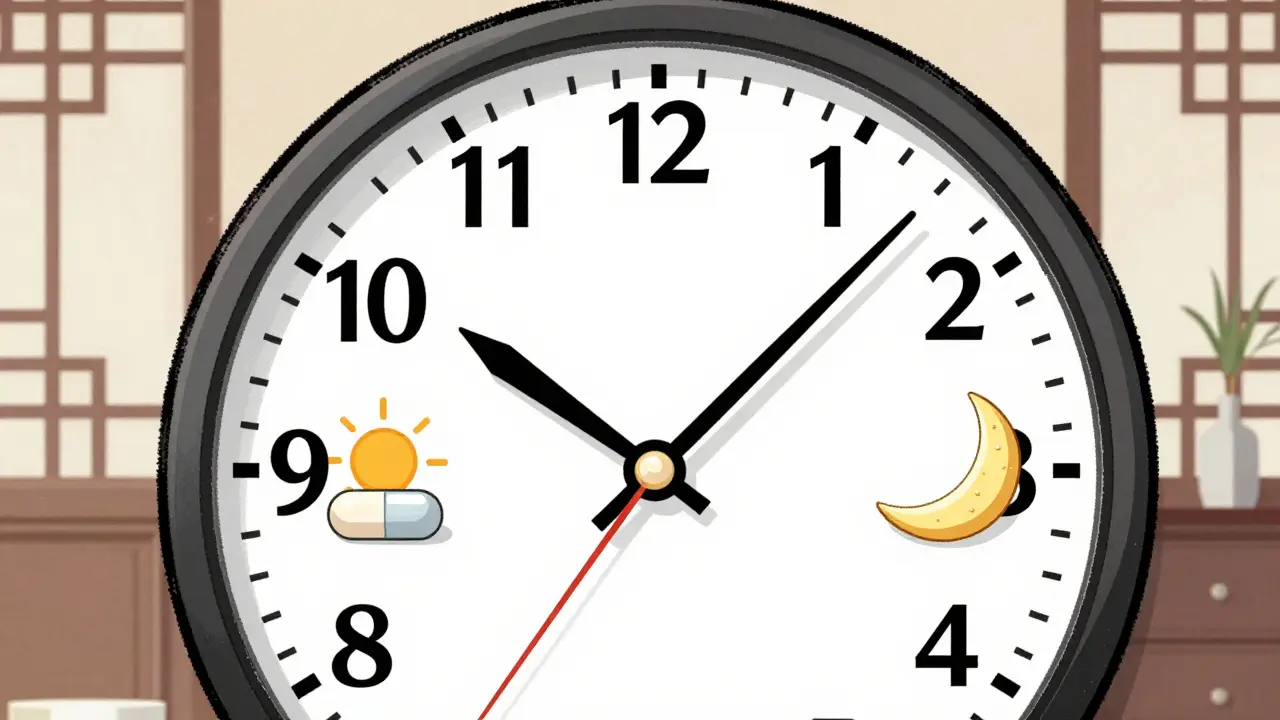
Imagine a weekday timeline. You wake up at 7:00 AM and swallow your thyroid medication. You drink coffee at 7:30 AM. You eat breakfast at 8:00 AM. At 12:00 PM, you have lunch, which might contain some natural magnesium. However, your dedicated supplement happens at 6:00 PM or 8:00 PM with dinner.
Using a weekly pill organizer helps enforce this separation. Label the boxes AM for thyroid and PM for minerals. If you forget and realize an hour after taking thyroid that you already took magnesium, skip the next thyroid dose only if advised by a pharmacist. Do not double up. Usually, skipping the missed interval is safer than overdosing.
Reminders play a huge role here. Smartphone apps allow you to set alerts specifically for “three hours after thyroid.” Pharmacists at large chains now hand out “Thyroid Medication Timing Cards.” Keep one in your wallet. It looks professional and answers questions when traveling.
Frequently Asked Questions
Can I take magnesium at the same time as my thyroid pill?
No, you should never take them simultaneously. Magnesium blocks absorption. You need at least a four-hour gap between them to ensure your thyroid medication works correctly.
Which magnesium form interacts the least?
Magnesium glycinate tends to interact less than oxide or hydroxide. However, you still need spacing. Consult your pharmacist about switching forms if four-hour gaps are hard to manage.
Does food affect the timing rules?
Yes, levothyroxine is best on an empty stomach. Food slows its entry into the blood. Take thyroid first, wait an hour for breakfast, and save minerals for later meals like dinner.
What happens if I ignore the spacing?
Your TSH levels will rise, meaning your thyroid isn’t functioning optimally. You may feel fatigued, gain weight, or suffer brain fog because your body isn’t getting the medication dose prescribed.
Is this rule true for all thyroid meds?
It applies primarily to levothyroxine and liothyronine. Desiccated thyroid extracts behave similarly. Newer liquid versions might vary, but safety dictates maintaining the gap.
Managing your health is about details, not just big decisions. Getting the timing right between magnesium and your prescriptions ensures you actually get the treatment you paid for. Talk to your healthcare provider if you feel confused about your specific regimen. They know your history better than any general guide.

Sophie Hallam
I always forget this part about spacing supplements and meds. It explains why my tsh was high last year even though I took the pills every day.
It is good to know the exact chemical reason behind the interaction now.
Rohan Kumar
lol four hours wait 💀 sounds like they want you to suffer more 🙄
pharmacy staff probably hates this too 😒
Sabrina Herciu
Great breakdown!!! Seriously important stuff!!! Many people miss the magnesium interaction completely!!!
Please share widely!!!
Monique Ball
Oh wow this is so helpful for anyone struggling with fatigue! I used to wonder why my energy crashed by afternoon despite taking meds. Now I see the minerals were fighting the thyroid hormone in my gut. It makes sense that binding happens chemically before absorption occurs. We have to respect the timeline our bodies need for these processes. Even the liquid versions can still cause slight dips in absorption rates. Consistency really is the key to stable blood levels. Waiting until bedtime for minerals helps me sleep better anyway. Plus you avoid the confusion of morning rush hour at the kitchen sink. It feels good to optimize your regimen properly without guessing. Small changes like this lead to big improvements in overall wellness over time. Thanks for compiling all the medical studies into one readable spot. I am definitely printing this out for my own reference file. My doctor never actually explained the chemistry behind the blocking effect clearly. Knowing the science empowers us to take better control of our own health outcomes today.
Debra Brigman
Life is a delicate dance of molecules finding their partners in the dark abyss of the stomach.
The balance shifts easily when you introduce foreign agents into the ecosystem.
Jordan Marx
From a pharmacokinetics standpoint the chelation risk is significant here. Bioavailability drops drastically when cations meet anions in the GI tract. Peak plasma concentration gets delayed which skews therapeutic windows.
Kameron Hacker
This information is critical for patient safety compliance. Ignoring separation intervals compromises treatment efficacy entirely. Medical professionals must emphasize this protocol during initial consultations.
Rachael Hammond
i definetly need to check my bottle labels then thanks for writting this up its scary how common the mistake is
Tommy Nguyen
never knew this till now
Jeannette Kwiatkowski Kwiatkowski
Honestly most influencers would just sell you the supplement instead of warning you about absorption blocking mechanisms.
We need more people understanding the actual biochemistry involved here.
Paul Vanderheiden
totally agree need to keep those spaced apart helps everyone stay healthy and happy out there
Richard Kubíček
Solid advice on managing daily routines around medication schedules. It is great that newer options exist but sticking to basics works best.