
When your prescription runs out and no pharmacy has it in stock, it’s not just inconvenient-it’s dangerous. In 2025, over 1,900 prescription drugs were in short supply across the U.S. and U.K., including critical medicines like insulin, antibiotics, and chemotherapy drugs. This isn’t a one-time glitch. It’s a growing crisis. And if you’re relying on one of these drugs, you need to know what to do now, not when the shelves are empty.
Why Medication Shortages Happen
It’s not just bad luck. Most shortages come from a few broken parts of the system. A single factory making 85% of a generic drug can shut down over a tiny quality issue-and suddenly, millions are left without their medicine. Manufacturing delays, raw material shortages, and companies quitting unprofitable drugs all add up. The FDA says nearly half of all shortages since 2020 were caused by production problems, not demand spikes. For example, Semglee (a biosimilar insulin) vanished from shelves in early 2025. Patients didn’t suddenly need more insulin. The problem? One manufacturer couldn’t meet quality standards. And because so few companies make these drugs, there was no backup.What You Can Do Right Away
Don’t wait until your last pill is gone. Start acting as soon as you hear about a shortage-or if your pharmacy says they’re out.- Check the FDA Drug Shortage Database-it’s free, updated daily, and lists approved alternatives. Type in your drug name and it will show you what else is available.
- Call multiple pharmacies, including mail-order services. Some small independent pharmacies or hospital pharmacies may still have stock when big chains don’t.
- Ask your pharmacist. Most major chains now have pharmacists trained specifically to help during shortages. They can check inventory across regional networks and even contact distributors on your behalf.
One patient in Nottingham spent three days calling seven pharmacies before finding Semglee. But another found it on the first try-because their pharmacist had access to a regional inventory system. Don’t assume your local store has the full picture.
Therapeutic Alternatives: Are They Safe?
Not all substitutes are created equal. Some drugs have direct, FDA-approved replacements. Others don’t. The key is understanding the difference. For insulin, Semglee and Lantus are considered interchangeable. That means your pharmacist can swap them without a new prescription-no doctor visit needed. But Toujeo or Tresiba? Those are different formulations. Switching to them requires a new prescription and often a dose adjustment. Antibiotics are trickier. When amoxicillin ran low, doctors started prescribing azithromycin instead. But it’s not the same. Azithromycin works differently, has different side effects, and can contribute to antibiotic resistance if used inappropriately. Never switch antibiotics on your own. For chronic conditions like rheumatoid arthritis or multiple sclerosis, alternatives might mean switching to a different class of drug. Sarilumab, for example, saw usage drop by 67% in the U.K. during its shortage. Patients were moved to other biologics-but only after careful review by their specialist. These switches aren’t quick fixes. They require monitoring.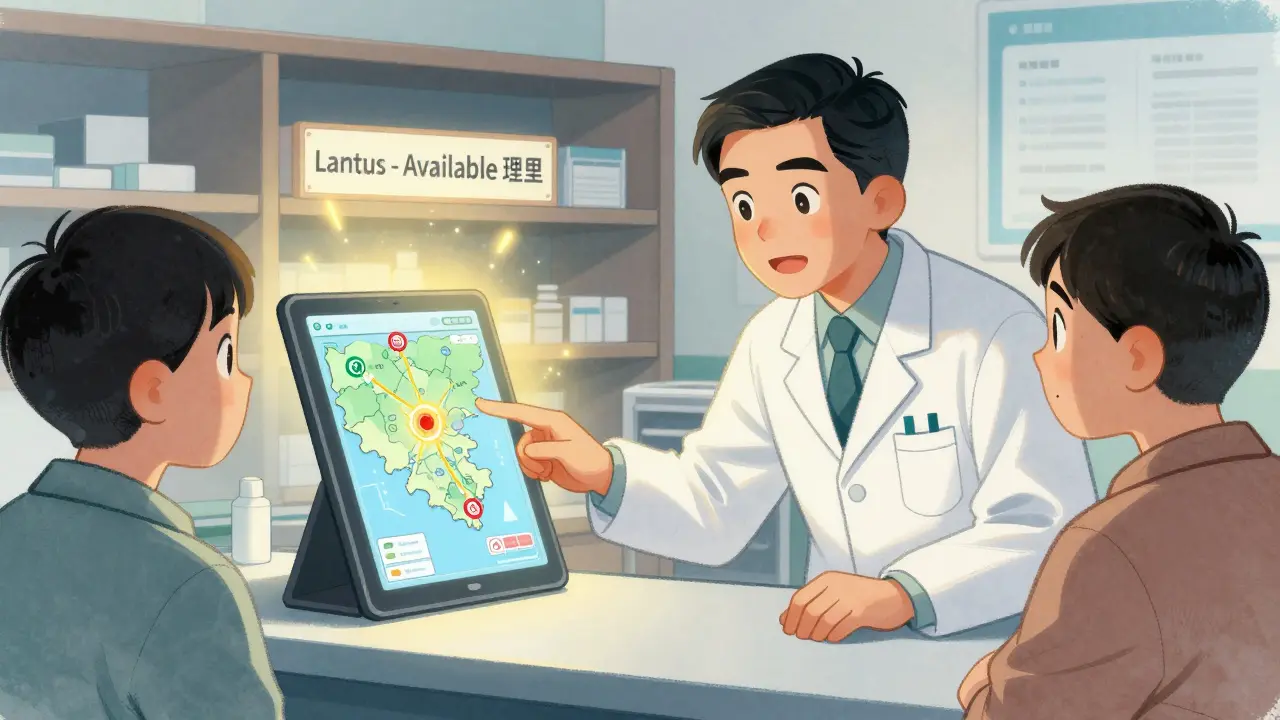
Insurance and Formulary Changes
Even if a drug is medically appropriate, your insurance might not cover it. During the Semglee shortage, Blue Cross NC changed its formulary to allow Lantus without prior authorization. But not all insurers did the same.- Call your insurer. Ask: “Is there an alternative drug on my plan’s formulary for [your drug]?”
- Ask if they’ve waived prior authorizations or step therapy requirements.
- Request a temporary exception. Many insurers will approve a non-formulary drug for 30-90 days during a shortage.
One survey found 57% of patients were confused about coverage changes during shortages. Don’t assume your co-pay will stay the same. Always confirm before filling a new prescription.
What About Foreign-Made Drugs?
In 2025, Hawaii’s Medicaid program started allowing drugs approved in Canada, the U.K., or the EU to be used during shortages. These aren’t knockoffs-they’re the same pills made in the same factories, just sold under different names. The FDA has special rules (Section 804) that let these drugs enter the U.S. under emergency conditions. But this isn’t something you can do on your own. You need a doctor’s prescription and a pharmacy that’s licensed to import them. Some patients have turned to overseas online pharmacies. That’s risky. The FDA warns that many of these sites sell counterfeit or expired drugs. Stick to U.S.-licensed pharmacies-even if they’re sourcing from abroad under official channels.What You Should Never Do
During shortages, people do desperate things. Here’s what you must avoid:- Splitting pills-unless your doctor says it’s safe. Many drugs aren’t designed to be split. Insulin, for example, can’t be divided without losing accuracy.
- Skipping doses-even for a few days. Stopping blood pressure, seizure, or diabetes meds can cause serious harm.
- Buying from unverified websites-over 70% of online pharmacies selling prescription drugs are illegal. Many sell fake or contaminated products.
- Using someone else’s prescription-even if it’s the same drug. Dosage, formulation, and medical history make this dangerous.
A 2025 survey found 32% of patients stopped their meds during a shortage. Half of them ended up in the ER or hospital. Don’t be one of them.
How to Prepare for the Next Shortage
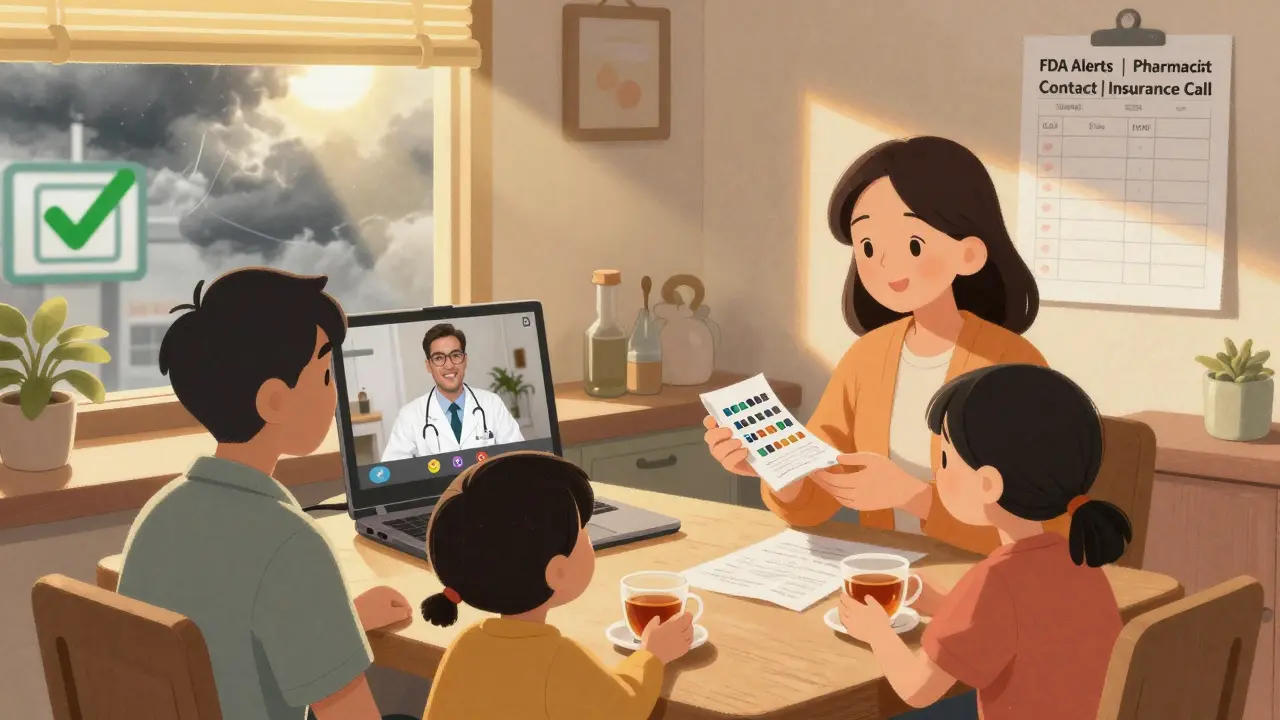
Shortages aren’t going away. The FDA says 63% of current shortages will last longer than 18 months. Here’s how to build resilience:- Keep a 30-day supply of critical meds if your doctor allows it. Some insurers cover extra refills during shortages.
- Know your alternatives. Ask your doctor now: “If this drug becomes unavailable, what are my options?”
- Sign up for alerts. The FDA, ASHP, and Wolters Kluwer all offer free email alerts for drug shortages.
- Build a relationship with your pharmacist. They’re your best ally during these times. Tell them you’re on a high-risk medication and ask to be notified if it goes out of stock.
Patients who took these steps had a 68% success rate switching to alternatives. Those who waited until the last pill was gone? Only 21% found a safe solution.
When to Call Your Doctor
You don’t need to figure this out alone. Contact your provider if:- You can’t find your medication after calling 3+ pharmacies
- Your pharmacy says an alternative is available but you’re unsure if it’s right for you
- You’ve had to skip doses or change your routine
- You’re experiencing new side effects after switching
Doctors aren’t just prescribing-they’re coordinating. Many now work with hospital pharmacists and regional drug networks to find solutions before patients are left stranded.
Final Thought: You’re Not Alone
Drug shortages feel isolating. You might think you’re the only one struggling. But thousands are in the same boat. The system is broken. But you have power. You can ask questions. You can demand alternatives. You can use the tools available-FDA database, pharmacist support, insurer exceptions-to keep yourself safe.The goal isn’t to fix the supply chain overnight. It’s to make sure your health doesn’t suffer while we wait for it to get better.
What should I do if my insulin is on shortage?
First, check the FDA’s Drug Shortage Database to see if your insulin has an approved alternative. If you’re on Semglee, Lantus is an interchangeable biosimilar-your pharmacist can switch you without a new prescription. Don’t switch to Toujeo or Tresiba unless your doctor approves it, as those require dose adjustments. Call your insurer to confirm coverage, and ask your pharmacy if they can access regional stock.
Can I use a drug from another country during a shortage?
Only through approved U.S. pharmacies that are licensed to import under FDA Section 804 waivers. These are not the same as buying from random online sites. Medications from the U.K., Canada, or EU must be the same product made in the same facility, just labeled differently. Never order from websites that don’t require a prescription or can’t prove they’re U.S.-licensed.
Why can’t I just split my pills to make them last longer?
Many pills aren’t designed to be split. Even if they look like they can be, the dosage may not be accurate. Insulin pens, blood thinners, and psychiatric meds are especially risky. Splitting can lead to under- or overdosing. Always ask your pharmacist or doctor before splitting any pill-even if it seems obvious.
How do I know if an alternative drug is safe for me?
Therapeutic equivalence doesn’t mean identical. A drug can be approved as an alternative but still have different side effects, dosing schedules, or interactions. Your doctor and pharmacist should review your full medical history, current conditions, and other medications before switching. Never assume an alternative is safe just because it’s listed on the FDA’s site.
What if my insurance won’t cover the alternative?
Ask your insurer for a temporary exception or prior authorization override due to a drug shortage. Many insurers have emergency policies in place. If they say no, ask your doctor to write a letter explaining why the alternative is medically necessary. You can also request a 30-day supply on a non-formulary drug while you appeal.
Are there any free resources to track drug shortages?
Yes. The FDA’s Drug Shortage Database is free and updated daily. ASHP also maintains a public list of current shortages. Wolters Kluwer offers free email alerts for critical drugs. Sign up for these before you need them-don’t wait until your prescription runs out.
Can pharmacists help me find alternatives without seeing my doctor?
In some cases, yes. For interchangeable biosimilars like Semglee and Lantus, pharmacists can switch you without a new prescription. For other drugs, they can recommend alternatives and contact your doctor on your behalf. Most major pharmacy chains now have shortage specialists who can coordinate with your provider to get you the right medication quickly.
How long do drug shortages usually last?
About 75% of shortages last over a year, and 58% last two years or longer. The FDA reports that manufacturing issues are the main cause, and fixing them takes time. Don’t expect a quick fix. Start planning alternatives as soon as you hear about a shortage.
Ishmael brown
I don't care what the FDA says. 🤡 My cousin in Ohio got his insulin from a guy who 'knows people' on Telegram. It worked. For 3 months. Then he got sick. But hey, at least he didn't wait for paperwork. 🚨💊 #FreedomMedicine
Aditya Gupta
Bro, just call 3 pharmacies and ask for the generic. No drama. I did it for my dad’s blood pressure med. Pharmacist was chill, found it in 20 mins. You got this! 💪
Nancy Nino
Oh, so now we're supposed to be grateful that Big Pharma's greed is being 'managed' by a database update? How quaint. 🤡 I'll take my 30-day supply and my pharmacist's loyalty over your 'system' any day. And yes, I'm still mad about the 2023 metformin fiasco.
June Richards
Lol. You really think the FDA database is useful? I checked it last month. It said 'no shortage' for my thyroid med... while every pharmacy in Texas was out. 🤦♀️ And don't get me started on 'interchangeable' - my endo had to write a 3-page letter just to get me switched. Don't waste your time.
Jaden Green
The entire premise of this article is naive. You're treating a systemic collapse as if it were a logistical hiccup. The pharmaceutical industrial complex is designed for profit, not patient care. The fact that you're being told to 'call seven pharmacies' is the symptom - not the solution. We are living under a pharmacologically feudal system where your survival hinges on your ability to navigate bureaucratic labyrinths. The FDA is not your ally. It is a regulatory fig leaf for corporate malfeasance. And yet, here you are, reading this like it's a DIY home repair guide.
Lu Gao
I love that people think splitting pills is a solution. 🙃 I mean, sure, it looks easy - but have you ever tried splitting a 10mg extended-release tablet? It’s like trying to divide a cloud. And no, your kitchen scale doesn’t count. Just ask your pharmacist. They’ve seen it all. 😌
Angel Fitzpatrick
The real shortage? Trust. 🕵️♂️ The FDA, the manufacturers, the insurers - they’re all in cahoots. Did you know the same factory that makes Semglee also makes the ‘Canadian’ version? But you can’t buy it unless you jump through 17 hoops? That’s not a shortage. That’s a controlled scarcity. They’re keeping prices high by artificially limiting supply. And the ‘emergency import’ loophole? It’s a PR stunt. They want you to think they’re helping - while they profit from your desperation.
Donna Macaranas
I just started a new med last year and my pharmacist already warned me it’s on the watch list. So I’ve got a 60-day stash, a backup plan, and a saved email template to send to my insurer. Took 20 minutes. No drama. Just… planning. 🌱
Ed Di Cristofaro
Stop being so damn passive. If your drug’s gone, call your doctor and say, ‘I’m not dying because of a spreadsheet.’ They’ll move heaven and earth if you scream loud enough. I did. Got my med in 48 hours.
Lilliana Lowe
The article’s use of ‘interchangeable’ is misleading. Technically, the FDA’s interchangeability designation requires bioequivalence in 90% of the population under fasting conditions - a standard that rarely reflects real-world polypharmacy. Moreover, pharmacists are not trained to assess clinical equivalence across therapeutic classes. This is a dangerous oversimplification. One must consult the BE-therapeutic equivalence database, not merely rely on the FDA’s public-facing portal, which is notoriously outdated.
Melissa Melville
I live in Florida. We just got a shipment of Canadian insulin from a licensed pharmacy. Same bottle, same factory, different label. My grandma took it. No problems. People act like it’s smuggling. It’s just… shopping smarter. 🇨🇦❤️
Bryan Coleman
I used to be the guy who waited until the last pill. Then I got hospitalized. Now I keep a 45-day supply, call my pharmacist every month, and signed up for the FDA alerts. It’s not glamorous. But I’m alive. And I’m not sorry.
Naresh L
It’s funny. We have the technology to track every coffee order, every Netflix binge, every step we take. But when it comes to saving lives with a pill? We’re stuck in the 1980s. Why can’t there be a global, real-time inventory map for essential medicines? Is it really that hard? Or is profit more important than presence?