
The Hidden Battle Behind Generic Medicine Prices
Have you ever wondered why some medications drop in price overnight while others stay expensive for decades? The answer often lies in a legal battleground most people never see. Brand-name pharmaceutical companies spend billions developing drugs, and they protect those investments with patents. However, generic manufacturers have a specific legal tool to challenge these patents early, allowing cheaper versions to reach patients sooner. This tool is known as a Paragraph IV Certification, defined by a formal legal declaration that a listed patent is invalid, unenforceable, or will not be infringed by a generic product. Also commonly referred to as Para IV Certification.
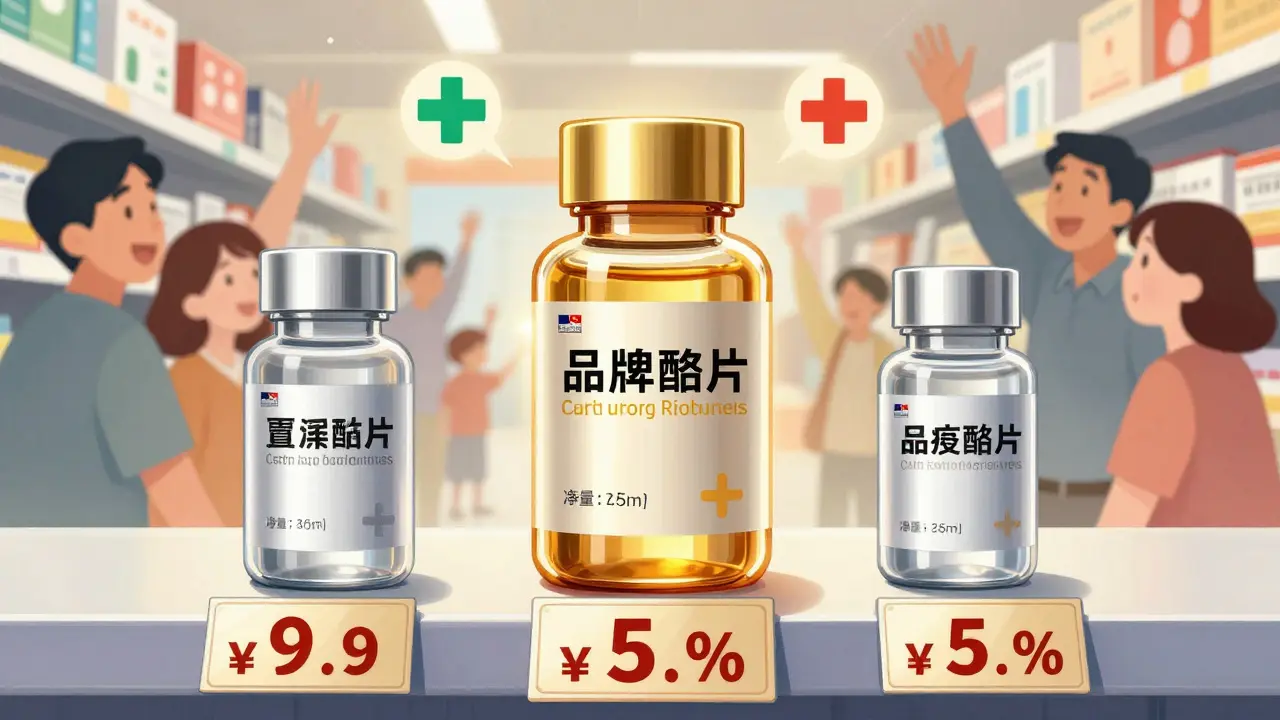
This mechanism transforms how the U.S. healthcare system works. When successful, it triggers intense competition that slashes prices. For instance, generic competition can reduce drug costs by up to 85% compared to the original brand name. Yet, the path isn't simple. It involves complex federal laws, strict timelines, and millions of dollars in legal fees. Understanding this process sheds light on why your prescription might suddenly become affordable or remain pricey despite years passing.
Finding the Right Pathway Under the Law
To understand the challenge, we must look at the foundation. In 1984, the U.S. government signed the Hatch-Waxman Act into law. Before this act, the landscape was different. Generic drugs accounted for only 19% of prescriptions in the United States. Today, that number is approximately 90%. This shift didn't happen by accident. Congress designed this system to balance innovation incentives for brand manufacturers with timely generic competition.
When a generic manufacturer wants to copy a brand drug, they file an Abbreviated New Drug Application (ANDA) with the FDA. They cannot ignore the patents listed in the Orange Book. Instead, they must certify the status of every patent. A Paragraph IV certification states that the patent is invalid or won't be infringed. This specific filing constitutes an artificial act of patent infringement under U.S. law, confirmed by federal courts like in the Glaxo Group Ltd. v. Apotex, Inc. case. It forces the issue rather than waiting for the patent to naturally expire.
The Step-by-Step Process of Filing
The mechanics follow a precise schedule that leaves little room for error. Here is how the process typically unfolds:
- Submission: The generic company submits the ANDA to the U.S. Food and Drug Administration (FDA) along with the Paragraph IV certification.
- Notification: Within 20 days of submission, the generic applicant must send a detailed notice to the NDA holder (brand owner) and the patent owner. This notice explains exactly why they believe the patent is weak.
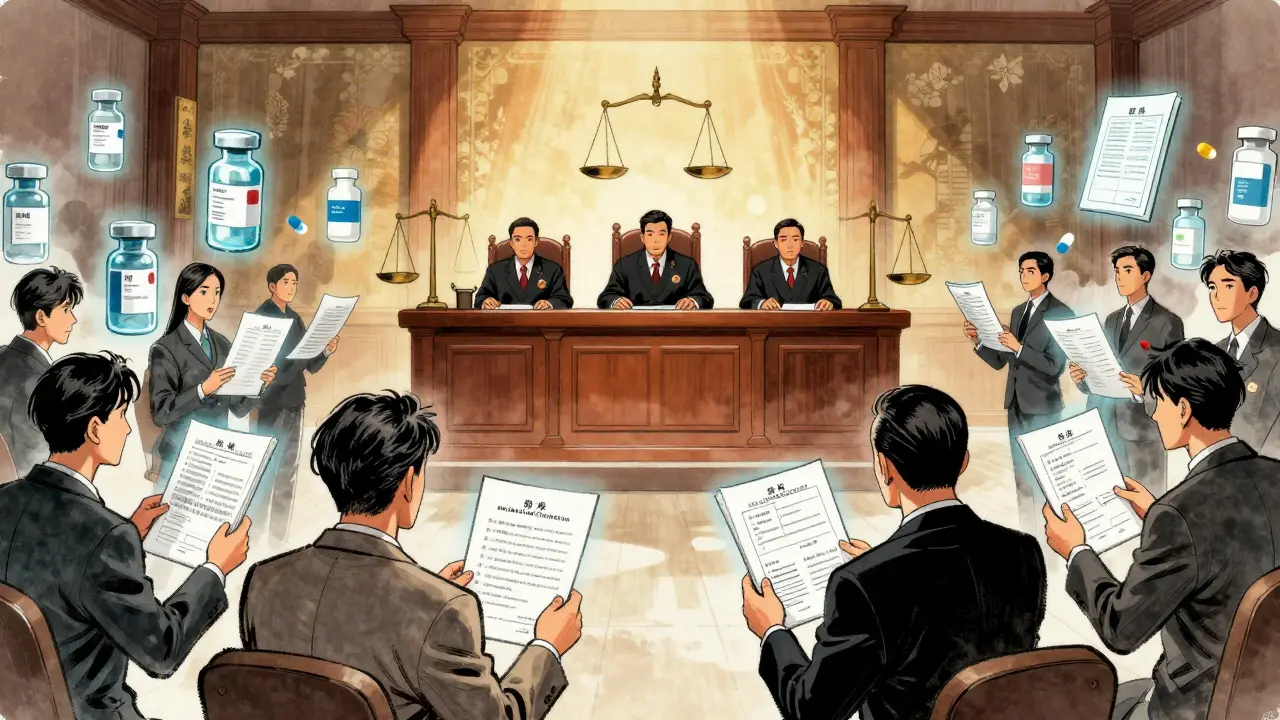
- Legal Window: The brand manufacturer has 45 calendar days to decide whether to sue. If they file suit, it triggers a regulatory stay.
- Regulatory Stay: An automatic 30-month stay prevents the FDA from approving the generic application while the lawsuit runs its course. This period ensures the courts resolve the patent dispute first.
- Approval Trigger: Once the lawsuit settles or concludes, or after 30 months pass (whichever comes first), the FDA reviews the application for approval.
This timeline creates immense pressure. Data shows that 68% of brand companies file suit immediately upon receiving notice. Some even wait until day 44 to maximize their preparation time. The clock does not stop based on negotiation delays alone; the statutory limits remain fixed unless extended by court rulings.
The High Stakes of First Approval
Why take such a risky legal path? The answer is money and market dominance. The first generic applicant who files a "substantially complete" ANDA receives a massive reward: 180-Day Marketing Exclusivity
Litigation is expensive. The average cost of a Paragraph IV lawsuit has risen significantly. In 2000, cases averaged $5 million per fight. By 2022, figures jumped to $15.7 million according to industry analysts. Smaller manufacturers might hesitate to enter this arena without substantial backing. Despite these costs, 72% of Paragraph IV cases settle before trial. Parties often prefer certainty over the gamble of a courtroom verdict. These settlements used to trigger criticism regarding "pay-for-delay." Big pharma would pay generic firms to stay off the market longer. The Supreme Court addressed this in the 2013 Actavis decision, subjecting these agreements to strict antitrust scrutiny. Today, settlements often include provisions ensuring generic entry no later than 75 days before patent expiration. The Federal Trade Commission (FTC) continues to monitor these deals to prevent hidden barriers to competition. The landscape is shifting as of late 2025. The 2022 Inflation Reduction Act introduced new Medicare negotiation provisions. These changes increase the value of Paragraph IV challenges for high-cost drugs. Industry analysis projects a 15-20% increase in challenges for top Medicare-covered drugs by 2025. Companies realize that securing the first generic slot offers leverage in upcoming pricing negotiations. Another trend is the focus on biosimilars. While Paragraph IV primarily applies to small-molecule drugs, the logic extends to biological products approved under the Biologics Price Competition and Innovation Act. Courts made this easier following the 2017 Sandoz v. Amgen decision. This expands the battlefield to complex medicines like insulin and cancer therapies. Furthermore, patent thickets pose a continuing challenge. Former FDA Commissioner Scott Gottlieb noted that drugs like Copaxone accumulated 40+ patents. Navigating this maze requires teams of patent lawyers identifying weak links. The FDA's 2023 guidance reduced some "evergreening" tactics, with newer approvals showing fewer defensive patents. Success rates for challengers have dipped to roughly 35% as brand quality improves, according to legal scholars at Duke University. Ultimately, these corporate battles determine patient access. The FTC estimated in 2022 that successful challenges save consumers $13.7 billion annually per drug challenged. Over time, total savings exceed $1.2 trillion since 1990. Faster generic entry means lower co-pays for retirees and families relying on daily medication. The FDA bioequivalence guidelines ensure safety remains intact during this transition, requiring 90% confidence intervals for blood concentration levels to match the brand. The process involves a statutory 30-month stay where the FDA cannot approve the generic if the brand sues. However, real-world timelines vary. Many cases settle faster. Studies show median entry occurs about 5.2 years after brand approval. The first generic manufacturer wins the 180-day exclusivity period. During this time, they face no other generic competitors, often capturing 70-80% of the market share. Yes, through litigation strategies and settlement agreements. However, post-Actavis, pay-for-delay settlements face heavy antitrust scrutiny and must allow earlier market entry dates. Primarily, yes, for small-molecule drugs approved via NDAs. Biosimilars for biological products utilize a parallel pathway under different regulations, though the concept is similar. They undergo rigorous bioequivalence studies requiring 24-36 subjects per formulation. FDA guidelines mandate that confidence intervals for Cmax and AUC fall within 80-125% of the brand drug.Navigating Legal Risks and Settlements
Mechanism
Burden of Proof
Average Duration
Forum
Paragraph IV Litigation
Preponderance of Evidence
30-Month Stay (max)
Federal District Court
Inter Partes Review (IPR)
Clear and Convincing
18 Months
PTAB
Market Trends and Future Outlook
Patient Impact and Accessibility
Frequently Asked Questions
How long does a Paragraph IV challenge take?
Who benefits most from the 180-day exclusivity?
Can brand companies block generics legally?
Does this apply to all drugs?
Are generic drugs tested the same way as brands?

Biraju Shah
These patent laws are just designed to keep the rich richer while regular folks bleed money.
Dan Stoof
It's actually really hopeful when you think about the system working! The exclusivity periods do encourage innovation right!? But the prices remain so high!
Victor Ortiz
You are clearly missing the bigger picture here because you lack fundamental knowledge about the economics involved in R&D cycles.
Amber Armstrong
It is heartbreaking to think about families choosing between food and medicine every day. We often forget that these legal battles directly impact human lives in profound ways. Everyone hopes for better access to affordable healthcare options soon without delay. The statistics mention eighty-five percent price drops which sounds amazing on paper. Yet real people still wait years while lawyers argue in courtrooms endlessly. My own brother struggled with insulin costs before finding a cheaper version finally. That experience changed how I view pharmaceutical patents forever now completely. Generic competition saves lives by making drugs accessible sooner for patients. Delayed approvals mean suffering continues unnecessarily for patients everywhere globally. Laws need to prioritize patient welfare over corporate profits more often honestly. The thirty-month stay feels incredibly long when someone needs help today urgently. We must demand faster processes without sacrificing safety standards though carefully. Innovation is vital but cannot come at the expense of basic dignity for people. There is a moral obligation to fix these systemic issues immediately right now. Small changes in policy could save thousands of lives annually in hospitals.
RONALD FOWLER
Peace love understanding though everyone struggles differently
dPhanen DhrubRaaj
the process is slow sometimes i see many cases where generics take too long to get approved in my region and it hurts patients badly
Cameron Redic
Yeah but look at the data its always rigged against the little guy anyway nobody cares about fairness
William Rhodes
Change is inevitable eventually the balance will shift back to fairness for all stakeholders involved
Vikash Ranjan
People think change is good but sometimes patents protect quality control we need those safeguards in place
Marwood Construction
The statutory framework outlined here requires precise adherence to regulatory mandates without deviation.