
Statin Safety & Monitoring Calculator for NAFLD
Patient Parameters
Why This Matters
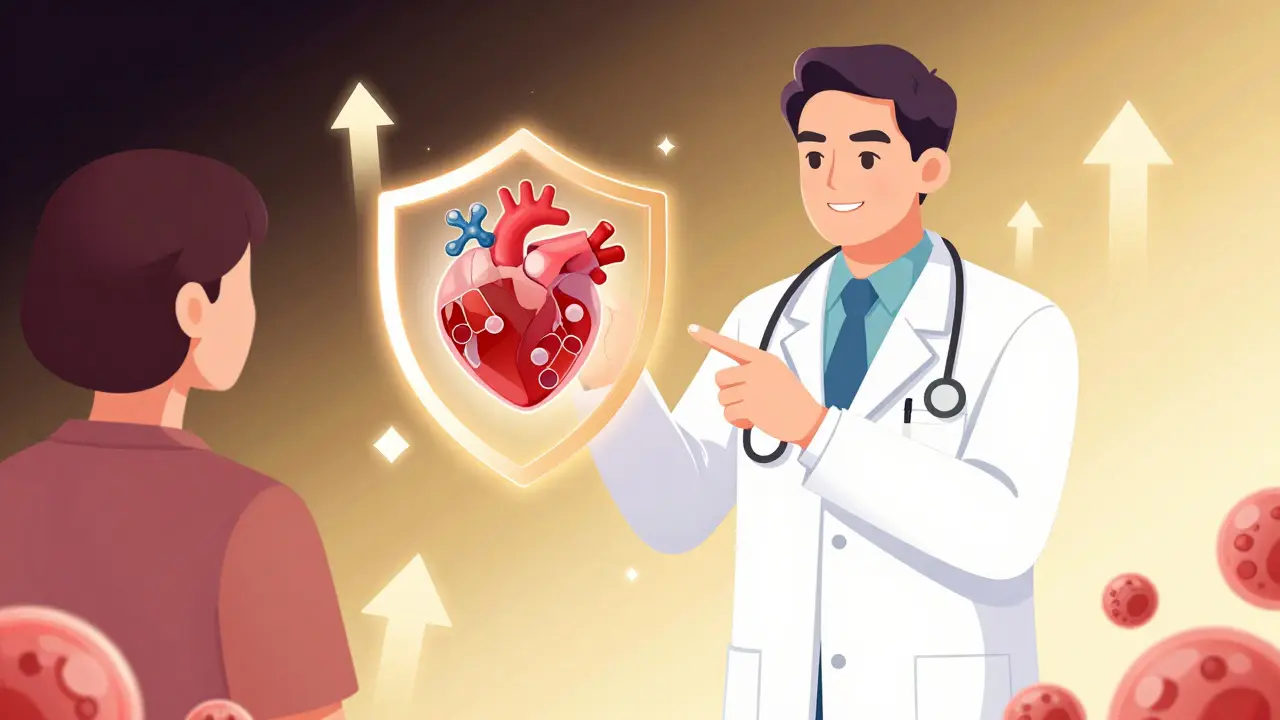
People with NAFLD have a higher risk of heart disease. Statins reduce cardiovascular events by up to 48% in this group. Skipping them due to outdated fears can be more dangerous than taking them. Always consult your doctor for personalized advice.
Source: AASLD/EASL/EASD Guidelines (2023)
For years, a shadow of doubt hung over statins for patients with nonalcoholic fatty liver disease (NAFLD). Doctors hesitated. Patients worried. The fear was simple but powerful: could these cholesterol-lowering drugs hurt an already struggling liver? Today, that fear is largely misplaced. In fact, skipping statins might be the more dangerous choice.
If you have been told to avoid statins because of fatty liver, you are likely operating on outdated information. Current medical consensus from major health organizations confirms that statins are not only safe for most people with NAFLD but also offer critical protection against heart disease, which remains the leading cause of death in this population. Understanding how to use these medications safely requires looking past old myths and focusing on modern evidence-based guidelines.
Why the Fear Existed
To understand why so many doctors held back, we need to look at history. Statins were developed in the 1970s and approved by the FDA starting in 1987. Early clinical trials excluded patients with significant liver disease or elevated liver enzymes. This created a knowledge gap. When doctors saw high levels of alanine aminotransferase (ALT) or aspartate aminotransferase (AST) in blood tests, they assumed the liver was inflamed and vulnerable. They feared adding a drug processed by the liver would tip the scales toward damage.
This caution led to widespread underuse. A 2018 study published in the Journal of Clinical Gastroenterology found that only 37% of eligible NAFLD patients with cardiovascular risk factors actually received statin therapy. That means nearly two-thirds of people who needed heart protection were denied it due to unfounded fears about their liver. Even today, surveys show that 68% of hepatologists express some concern about statin use in NAFLD, despite growing evidence to the contrary.
The Modern Consensus: Statins Are Safe
The tide turned decisively around 2023. Major organizations including the American Association for the Study of Liver Diseases (AASLD), the European Association for the Study of the Liver (EASL), and the European Association for the Study of Diabetes (EASD) released joint clinical practice guidelines. These guidelines explicitly state that statins should not be withheld from NAFLD patients solely because of their liver condition.
Dr. Zobair Younossi, Editor-in-Chief of Hepatology, noted in a 2022 update that "statins are safe and well-tolerated in NASH patients to reduce cardiovascular risk." Similarly, Dr. Brent Tetri from Saint Louis University stated that the myth of statin-induced liver injury has been thoroughly debunked by large-scale studies. The data shows no increased risk of serious liver-related adverse effects when statins are used appropriately in NAFLD patients.
| Metric | General Population | NAFLD Patients |
|---|---|---|
| Liver Injury Risk | Low (<1%) | Comparable/Low |
| Muscle Symptom Rate | 5-10% | 8.7% |
| Cardiovascular Event Reduction | ~20-30% | 48% (GREACE Study) |
| All-Cause Mortality Reduction | Variable | 27% (HR 0.73) |
How Statins Help the Liver and Heart
It is not just about safety; statins may actively help your liver. Research indicates that statins can improve liver biochemistry. A 2023 systematic review showed that statins significantly reduced liver enzyme levels in NAFLD patients. On average, ALT levels dropped by 15.8 U/L and AST levels fell by 9.2 U/L compared to baseline measurements.
But the real benefit lies in cardiovascular protection. People with NAFLD are at a much higher risk for heart attacks and strokes than those without liver fat. The GREACE study subgroup analysis revealed that NAFLD patients taking statins experienced a 48% reduction in cardiovascular events compared to those who did not take them. This reduction was even greater than the benefit seen in patients with normal liver function. Why? Because statins do more than lower LDL cholesterol. They reduce inflammation, stabilize plaque in arteries, and improve insulin resistance-all key factors in both liver and heart health.
Statins work through several mechanisms:
- Antioxidant Effects: They reduce oxidized LDL in plaque lipids, slowing down arterial hardening.
- Improved Insulin Sensitivity: By decreasing endothelin function, they help cells process glucose better, reducing metabolic stress on the liver.
- Fatty Acid Metabolism: They enhance beta-oxidative activity, helping the liver burn fat more efficiently rather than storing it.
- Anti-Inflammatory Action: They suppress inflammatory responses and inhibit collagen deposition, potentially slowing liver fibrosis progression.
Monitoring Guidelines: What You Need to Check
Safety does not mean zero monitoring. It means smart, targeted monitoring. The days of routine liver enzyme checks every three months for everyone on statins are over. The FDA removed the requirement for routine liver testing in 2012, but many clinicians still follow older habits. Here is what current best practices recommend.
Before starting statin therapy, you should have baseline measurements of:
- ALT (Alanine Aminotransferase): A primary marker of liver inflammation.
- AST (Aspartate Aminotransferase): Another liver enzyme, though less specific than ALT.
- Creatine Kinase (CK): To check for muscle integrity before starting.
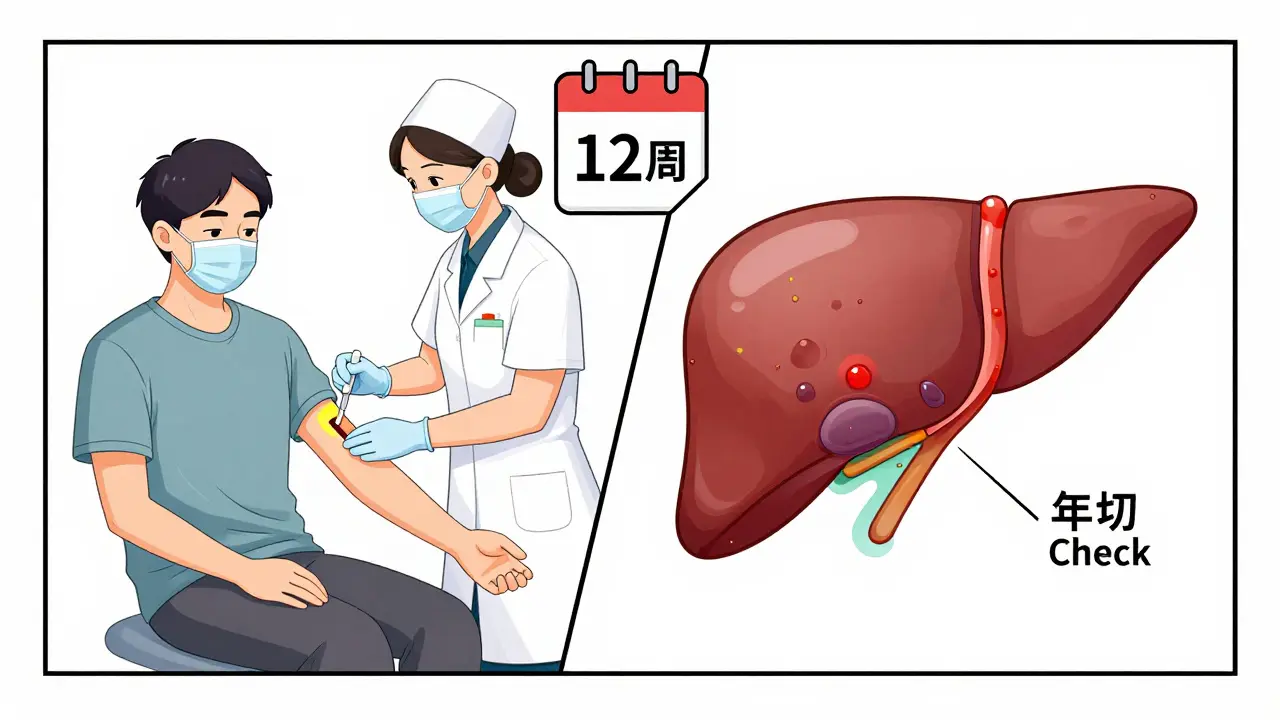
After starting the medication, repeat testing is typically done at 12 weeks to ensure tolerance. If you remain stable, annual checks are sufficient. Importantly, NAFLD itself is not a contraindication to statin use if your ALT and AST levels are less than three times the upper limit of normal (ULN). If your levels exceed this threshold, further investigation into the cause of liver inflammation is needed, but statins can often still be used cautiously.
Dosing Considerations Based on Liver Health
Not all liver conditions are the same. Your dose depends heavily on the stage of your liver disease. For most people with simple fatty liver or compensated cirrhosis (Child-Pugh Class A or B), standard doses of statins are safe and effective. However, if you have decompensated cirrhosis (Child-Pugh Class C), the rules change.
In decompensated cirrhosis, the liver’s ability to metabolize drugs is severely compromised. A 2022 study in Hepatology documented a 2.3-fold higher risk of muscle injury at standard doses in this group. Therefore, lower doses are recommended. For example, simvastatin 20 mg daily is often preferred over higher doses. Always discuss your specific liver classification with your doctor to determine the right dose.
Addressing Common Concerns
Even with strong evidence, some concerns persist. Let’s address them directly. Will statins worsen my liver scarring? No. Evidence suggests they may slow fibrosis progression by reducing inflammation and oxidative stress. They do not cause liver damage in NAFLD patients. What about muscle pain? Muscle symptoms occur in about 8.7% of NAFLD patients on statins, similar to the general population. However, only 1.2% experience severe creatine kinase elevations (>10x ULN), which is consistent with placebo rates. If you feel muscle pain, report it immediately. It is usually manageable by switching statin types or adjusting doses. Are there better alternatives? Fibrates and ezetimibe are sometimes used for lipid management, but they lack the robust cardiovascular outcome data that statins have. Pioglitazone and vitamin E are better for treating NASH histology directly, but they do not replace the heart protection offered by statins. For most patients, statins remain the cornerstone of therapy.
Overcoming Provider Hesitancy
You might find that your doctor is still hesitant. This is a common frustration. A 2022 survey in the Annals of Internal Medicine found that 41% of primary care physicians still consider elevated liver enzymes an absolute contraindication to statins. If your provider refuses to prescribe statins due to NAFLD, seek a second opinion, preferably from a cardiologist or a hepatologist familiar with the latest 2023 AASLD/EASL guidelines. Bring this article or the guideline summaries to your appointment. Education is key to bridging this gap.
Next Steps for Patients
If you have NAFLD and high cholesterol, here is your action plan:
- Get Tested: Ensure you have recent ALT, AST, and CK levels.
- Assess Cardiovascular Risk: Work with your doctor to calculate your 10-year risk of heart disease.
- Start Low, Go Slow: Begin with a moderate-intensity statin unless contraindicated.
- Monitor: Recheck labs at 12 weeks, then annually.
- Report Symptoms: Watch for unexplained muscle weakness or dark urine.
- Advocate: If denied statins, ask for the specific reason and request a referral to a specialist if needed.
The intersection of NAFLD and cardiovascular disease is a critical area of medicine. With NAFLD affecting 25% of the global population and statin prescriptions exceeding 300 million annually in the US, ensuring safe access to these life-saving drugs is paramount. Do not let outdated fears keep you from protecting your heart.
Can I take statins if I have nonalcoholic fatty liver disease?
Yes. Current guidelines from the AASLD, EASL, and EASD confirm that statins are safe for most patients with NAFLD. They provide significant cardiovascular benefits and do not worsen liver function in the majority of cases.
How often should I get my liver enzymes checked while on statins?
Baseline ALT and AST should be checked before starting. Repeat testing is recommended at 12 weeks after initiation. If results are stable, annual monitoring is sufficient. Routine frequent testing is no longer required unless symptoms arise.
Do statins help reduce liver inflammation in NAFLD?
Yes. Studies show statins can reduce ALT and AST levels, indicating decreased liver inflammation. They also improve insulin sensitivity and reduce oxidative stress, which may slow the progression of liver fibrosis.
What if I have decompensated cirrhosis?
If you have decompensated cirrhosis (Child-Pugh Class C), statins should be used with caution and at lower doses. Standard doses carry a higher risk of muscle injury. Consult your hepatologist for personalized dosing recommendations.
Why do some doctors still refuse to prescribe statins for NAFLD?
Many providers rely on older training or outdated guidelines that warned against statins in liver disease. Surveys show significant hesitancy persists despite new evidence. Seeking a second opinion from a cardiologist or updated hepatology guidelines can help resolve this.

Yuvraj Singh
It is quite remarkable how deeply ingrained these misconceptions remain within the medical community despite the overwhelming evidence to the contrary. As someone working in healthcare in India, I see similar hesitancy among colleagues here when dealing with patients who have elevated liver enzymes alongside metabolic syndrome. The data from the GREACE study subgroup analysis is particularly compelling because it shows a 48% reduction in cardiovascular events, which is significantly higher than what we typically see in the general population without liver issues. This suggests that the anti-inflammatory properties of statins might be even more beneficial for NAFLD patients than previously thought. We need to update our clinical protocols to reflect the 2023 AASLD/EASL guidelines more aggressively.
Dana Ellington
OMG thank you for posting this!! i was so scared to start my meds but my cardiologist insisted after reading the new guidelines. honestly it feels like a miracle that my alt levels actually went down instead of up. everyone needs to read this if their doc is still giving them the run around about liver damage. its just plain wrong and dangerous to ignore the heart risks. im feeling so much better now that im on the right track. dont let them scare you!!!
victoria catharinaa
You are all completely ignoring the fact that big pharma wants you on drugs for life and this article is just sugarcoating the truth. My friend took statins and ended up with terrible muscle pain that never went away. How do you know your liver isnt silently failing while your enzymes look okay? Stop trusting these corporate guidelines and listen to your body instead. If you have fatty liver you should fix your diet not mask the problem with chemicals that clog your arteries further. This is pure fear mongering disguised as science.
Glen Speck
i think we need to look at the bigger picture here beyond just the numbers and statistics presented in these studies. the human experience of living with chronic health conditions is complex and often misunderstood by those who only see data points rather than people. when we talk about safety we must also consider the psychological burden of being told your body is broken and that medication is the only solution. however ignoring the cardiovascular risk is not an option either because heart attacks do not care about our fears or beliefs. perhaps the real issue is that our healthcare system fails to provide holistic support that addresses both the physical and emotional aspects of disease management. we should seek balance not extremes in our approach to health.
Sam Mackellar
It is imperative that we adhere strictly to the established clinical guidelines provided by reputable organizations such as the American Association for the Study of Liver Diseases. The empirical evidence presented herein clearly demonstrates that the withholding of statin therapy in patients with nonalcoholic fatty liver disease constitutes a significant deviation from standard medical practice. One must recognize that the historical caution regarding hepatotoxicity has been thoroughly refuted by contemporary large-scale randomized controlled trials. Therefore any physician who continues to prescribe based on anecdotal evidence or outdated paradigms is acting negligently towards their patient's cardiovascular well-being. The protocol for monitoring liver enzymes is clear and should be followed without unnecessary variation.
Justina Ingram
lol u guys are so serious about this stuff. my doc said take it or leave it and i left it because i didnt want to deal with side effects. seems like a personal choice to me why does everyone have to force their opinion on others? if u want to take pills fine but dont act like ur saving the world. (y)
amit kumar
This is fantastic information! 🙌 I am sharing this with my family group chat immediately because my uncle has fatty liver and his cholesterol is high but he refuses to take anything. He thinks natural remedies are always better but the stats here are undeniable. The fact that statins can reduce inflammation and improve insulin sensitivity is huge for metabolic health overall. We need more content like this to educate people properly. Thanks for clearing up the confusion! 👍
Lori Wildrick
I quietly appreciate posts like this that cut through the noise and provide clear, actionable advice. It is so hard to navigate the medical system when every doctor seems to have a different opinion based on when they graduated school. I have been waiting for a second opinion from a hepatologist for months and this article gives me the vocabulary to ask the right questions during my consultation. Knowing that annual checks are sufficient after the initial twelve weeks is a relief because frequent blood draws are stressful for me. I hope more providers start updating their knowledge base soon.
Emma Olliff
The sheer ignorance displayed by some of these comments is astounding. You cannot simply choose to ignore basic biochemistry and epidemiological data because it inconveniences your lifestyle. Statins are not a suggestion; they are a critical intervention for preventing premature mortality in high-risk populations. If you have decompensated cirrhosis then yes you need caution but for the vast majority of patients with simple steatosis or NASH the benefit far outweighs the negligible risk of enzyme elevation. It is pathetic that people still fall for alternative medicine myths when the evidence is this robust. Educate yourselves or perish.
Diana Wiechecka
Great summary! 📊