
You’ve probably seen the term biosimilars popping up in hospital formularies and pharmacy discussions more often lately. If you’re a healthcare provider, you might be wondering: how do these actually differ from the reference products we’ve used for years? And more importantly, how are they different from generic drugs? The short answer is that biosimilars are not generics. They are complex biological products that are highly similar to an approved reference product but require a distinct regulatory pathway and clinical evaluation. Understanding this distinction is crucial because it directly impacts patient safety, treatment efficacy, and your confidence in prescribing.
The confusion isn’t just yours. A survey of U.S. physicians found that only 38% felt "extremely familiar" with the FDA’s definition of a biosimilar. This knowledge gap can lead to hesitation, which ultimately affects patient access to life-saving therapies. Let’s break down what biosimilars are, why they matter, and what you need to know to prescribe them confidently.
What Exactly Is a Biosimilar?
To understand biosimilars, we first have to look at biologics. Unlike small-molecule drugs (like aspirin or metformin), which are chemically synthesized and relatively simple, biologics are large, complex molecules produced by living cells. Think of monoclonal antibodies used in cancer or rheumatoid arthritis, or peptide hormones like insulin. Because they are made in living organisms, tiny variations in the manufacturing process can affect the final product.
A Biosimilar is a biological product that is highly similar to and has no clinically meaningful difference from an existing FDA-approved reference product. This definition, established by the U.S. Food and Drug Administration (FDA), is key. It doesn’t mean the biosimilar is identical copy-paste. Instead, it means that through rigorous testing, any differences found are not significant enough to change how the drug works in the body or its safety profile.
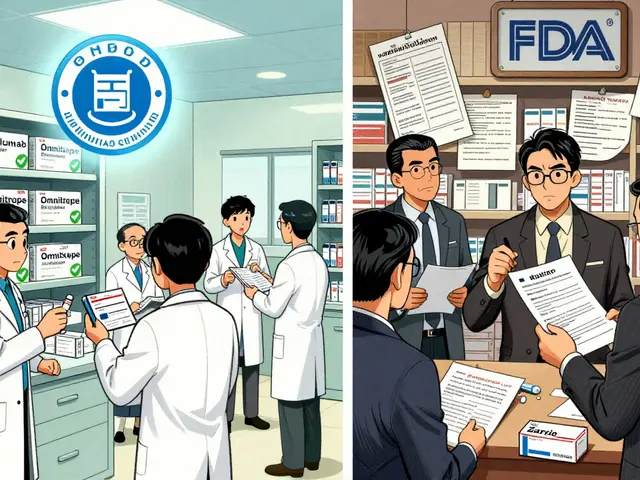
The regulatory pathway for biosimilars was created by the Biologics Price Competition and Innovation Act of 2009. The first biosimilar, Zarxio (a filgrastim biosimilar), was approved in 2015. As of late 2023, there were 46 biosimilars approved in the U.S., representing about 25% of the biologics market by value. These drugs offer a way to increase patient access while potentially reducing healthcare costs significantly.
Biosimilars vs. Generics: The Critical Difference
This is where most providers get tripped up. We are all comfortable with generic drugs. When a patent expires on a small-molecule drug, manufacturers can produce a generic version that is chemically identical to the brand-name drug. The FDA requires bioequivalence studies to show that the generic behaves the same way in the body as the original.
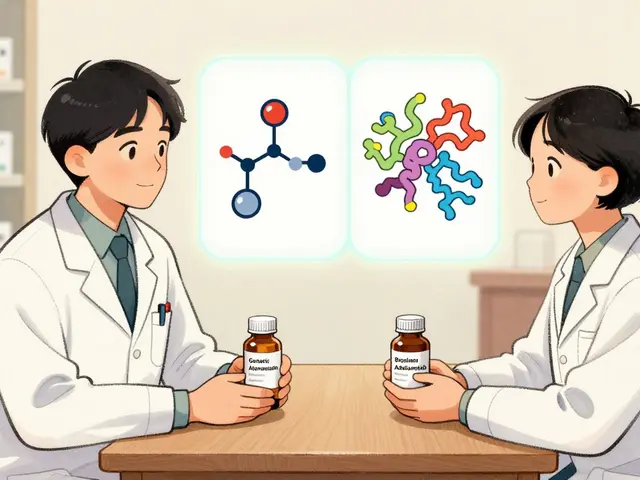
Biosimilars work differently. Because of their complexity, you cannot simply copy the molecular structure. Here is a quick comparison:
| Feature | Generic Drug | Biosimilar |
|---|---|---|
| Molecule Type | Small, chemically synthesized molecule | Large, complex biological molecule |
| Manufacturing | Chemical synthesis; consistent across batches | Living cell cultures; minor batch-to-batch variations possible |
| Regulatory Pathway | Abbreviated New Drug Application (ANDA) | Biology License Application (BLA) under Section 351(k) |
| Clinical Testing | Bioequivalence study only | Analytical, non-clinical, and clinical studies required |
| Similarity | Identical active ingredient | Highly similar; no clinically meaningful differences |
In a 2016 physician survey, 63% of doctors failed to correctly identify this distinction. This matters because the level of scrutiny for a biosimilar is much higher. You aren’t just getting a cheaper pill; you are getting a complex therapy that has undergone extensive clinical trials to prove its safety and efficacy.
Understanding Interchangeability
Another layer of complexity is the concept of interchangeability. Not all biosimilars are interchangeable. An interchangeable biosimilar is one that meets all the requirements for biosimilarity plus additional data showing that it can be switched back and forth with the reference product without increasing safety risks or effectiveness concerns.
Why does this distinction exist? For some biologics, switching multiple times could theoretically trigger an immune response or alter efficacy. The FDA requires head-to-head switching studies for these products. If a biosimilar is designated as interchangeable, pharmacists in states that allow substitution can swap it for the reference product without consulting the prescriber, unless the prescriber opts out. Currently, 42 U.S. states have passed laws allowing some form of biosimilar substitution, though notification requirements vary widely-from immediate notice in 12 states to no requirement in six.

Common Concerns and How to Address Them
Even with clear definitions, providers often express specific worries. Let’s tackle the big ones.
Immunogenicity
Immunogenicity refers to the potential for a drug to trigger an immune response, leading to antibodies that neutralize the drug or cause allergic reactions. Some providers worry that biosimilars might be more immunogenic than the reference product due to minor differences in inactive ingredients or manufacturing processes. However, the FDA requires robust assessment of immunogenicity. Studies consistently show that while antibody formation rates may vary slightly between biosimilars and originators, these differences rarely translate into clinically meaningful outcomes. The therapeutic equivalence remains intact.
Extrapolation of Indications
This is a tricky concept. Regulatory agencies allow manufacturers to test a biosimilar for one indication (e.g., rheumatoid arthritis) and then "extrapolate" approval to other indications covered by the reference product (e.g., psoriatic arthritis), provided there is a strong scientific rationale. In a 2019 study, 57% of providers expressed concern about using biosimilars for indications not directly studied in their clinical trials. Rest assured, extrapolation is not a guess. It relies on the mechanism of action. If the biosimilar binds to the same target in the same way, the effect should be the same across related conditions.
EHR Documentation Challenges
It’s not just clinical science; it’s logistics. Electronic Health Records (EHRs) often struggle to distinguish between reference products and biosimilars. A 2022 AMCP survey found that 78% of U.S. hospitals reported challenges in EHR documentation for biosimilars. Pharmacists frequently complain about systems like Epic requiring manual entry. This administrative friction can slow down adoption and create billing errors. Providers need to advocate for better system integration and ensure their staff is trained on proper coding and documentation practices.
The Role of Provider Education
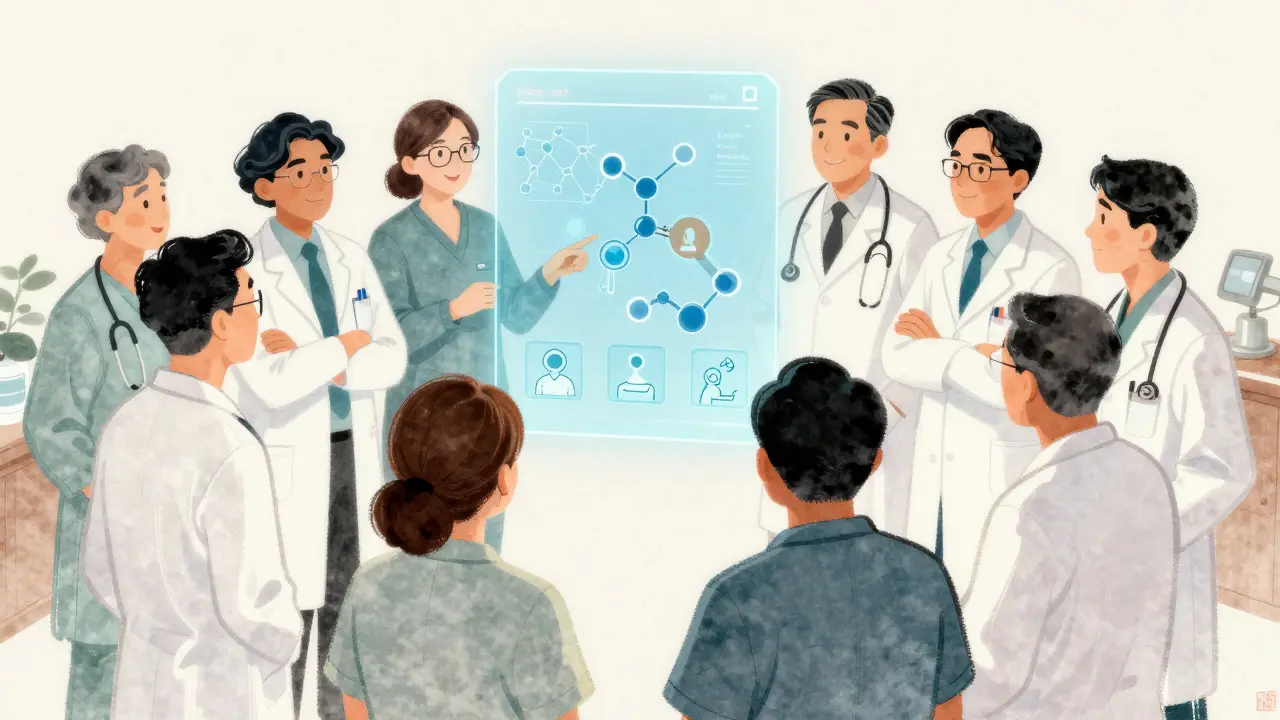
Knowledge is the biggest driver of adoption. Data shows that properly educated providers achieve 92% confidence in biosimilar efficacy, compared to just 40.1% among uneducated providers. Who leads this education? Clinical pharmacists are emerging as critical educators. In 2022, 76% of surveyed U.S. hospitals reported pharmacist-led biosimilar education initiatives.
Effective education programs typically cover:
- Pharmacokinetics and Pharmacodynamics: How the drug moves through and acts on the body.
- Regulatory Pathways: Understanding the FDA’s rigorous approval process.
- Real-World Evidence: Sharing data from actual patient populations, not just clinical trials.
- Patient Communication: How to explain biosimilars to patients who may be attached to their current medication.
The FDA offers a comprehensive Teaching Resource Guide with 12 modules covering development, regulation, and clinical considerations. Additionally, specialty societies like the American College of Rheumatology provide guidelines based on extensive clinical trial data. For example, their 2021 guidelines strongly recommend biosimilar use in rheumatoid arthritis, backed by 37 clinical trials involving over 12,000 patients.
Market Adoption and Future Outlook
Adoption varies significantly by specialty. Rheumatologists lead the pack with a 68% usage rate, followed by oncologists at 52%. Endocrinologists trail at 29%, despite insulin biosimilars being available since 2015. Why the disparity? Partly due to familiarity and partly due to the chronic nature of certain diseases where patients resist change.
Financially, the incentive is clear. Medicare Part B biosimilars showed a 28% lower average sales price than reference products in 2022. The Congressional Budget Office estimates potential savings of $150 billion over the next decade. Globally, the biosimilar market reached $12.3 billion in 2022, growing 18% year-over-year. Europe leads with 65% market share for eligible products, compared to 32% in the U.S. Closing this gap requires continued education and addressing systemic barriers like EHR limitations.
Looking ahead, the Association of American Medical Colleges plans to integrate biosimilar education into 95% of medical school curricula by 2025. The FDA is also updating its resources to include more real-world evidence, addressing a key request from 73% of providers in a 2022 assessment. As younger providers enter the workforce-currently showing 40% lower familiarity with biosimilars than experienced colleagues-early education will be vital.
Practical Steps for Providers
If you want to start incorporating biosimilars into your practice, here is a practical checklist:
- Review Your Formulary: Identify which biosimilars are available and preferred by your institution.
- Check State Laws: Understand substitution rules in your state. Do you need to opt-out? Does the pharmacist need to notify you?
- Educate Your Team: Ensure nurses and pharmacists know how to document administration correctly in the EHR.
- Talk to Patients: Explain that biosimilars are rigorously tested alternatives that maintain the same high standards of care while helping manage costs.
- Monitor Outcomes: Keep an eye on patient responses, especially when switching, to build your own confidence and gather local data.
Remember, biosimilars are not a compromise in quality. They are a strategic tool for sustainable healthcare. By understanding the science behind them and addressing common misconceptions, you can help expand access to essential therapies for your patients.
Are biosimilars safe and effective?
Yes. Biosimilars undergo rigorous FDA review including analytical, non-clinical, and clinical studies to demonstrate no clinically meaningful differences in safety, purity, or potency compared to the reference product. Real-world data continues to support their efficacy across various therapeutic areas.
Can I switch a patient from a reference product to a biosimilar?
Yes, switching is generally supported by clinical data. However, if the biosimilar is designated as "interchangeable," pharmacists in many states can substitute it automatically. If it is not interchangeable, the prescriber must specifically order the biosimilar. Always check your state’s specific substitution laws.
How are biosimilars different from generic drugs?
Generics are chemically identical copies of small-molecule drugs. Biosimilars are highly similar versions of complex biological products made from living cells. Because biologics are more complex, biosimilars require more extensive clinical testing than generics to prove similarity.
What is extrapolation in biosimilar approval?
Extrapolation allows the FDA to approve a biosimilar for additional indications covered by the reference product without separate clinical trials for each condition. This is based on the shared mechanism of action and scientific justification that the effect will be similar across related diseases.
Do biosimilars cost less than reference products?
Yes. Biosimilars typically offer cost reductions of 15-30% compared to reference products. In Medicare Part B, biosimilars showed a 28% lower average sales price in 2022. This helps reduce overall healthcare spending and improves patient access.
How do I handle EHR documentation for biosimilars?
Many EHR systems still struggle to distinguish biosimilars from reference products. Work with your hospital’s IT and pharmacy departments to ensure correct coding and documentation. Manual entry may be required in some systems like Epic. Proper documentation is critical for billing and tracking patient outcomes.
Which specialties are adopting biosimilars fastest?
Rheumatologists lead with a 68% usage rate, followed by oncologists at 52%. Endocrinologists lag at 29%. Adoption varies based on familiarity, disease chronicity, and patient acceptance. Education efforts are increasingly targeting slower-adopting specialties.

Write a comment