
Imagine paying $400 for a heart medication, only to find out the pharmacist hands you a pill that looks different but costs just $15. It works exactly the same way in your body. That isn’t magic; it’s the result of a complex legal and scientific framework designed by the FDA. As of 2023, nine out of ten prescriptions filled in the United States are for generic drugs. But how do we know these cheaper alternatives are safe? The answer lies in the legal basis and approval process established by the Hatch-Waxman Act.
If you’ve ever wondered why some brand-name companies release their own "authorized generics" or why a drug might take years to get a cheaper version, you’re touching on the intersection of patent law, chemistry, and public health policy. This article breaks down exactly how the FDA authorizes generics, the specific laws that allow them to exist, and what this means for your wallet and your health.
The Legal Foundation: The Hatch-Waxman Act
To understand generic drugs, you have to look back to September 24, 1984. Before this date, the system was broken. Brand-name companies had too much protection, keeping prices high, while generic manufacturers faced barriers that made it too expensive to prove their drugs were safe. Congress passed the Drug Price Competition and Patent Term Restoration Act, widely known as the Hatch-Waxman Act (Public Law 98-417), to fix this imbalance.
This law created a bridge between two competing interests:
- Innovation Incentive: It allowed brand-name companies to extend patent terms slightly to make up for time lost during FDA review. This encouraged them to keep inventing new medicines.
- Competition Access: It created a faster, cheaper pathway for generic manufacturers to enter the market once patents expired or were challenged.
The core mechanism introduced here is Section 505(j) of the Federal Food, Drug, and Cosmetic Act. This section allows generic makers to skip the expensive, multi-year clinical trials required for new drugs. Instead, they can rely on the FDA’s previous findings that the original brand-name drug-the Reference Listed Drug (RLD)-is safe and effective. This shift is the reason generic development costs roughly $1-5 million compared to the $2.6 billion average for a new brand-name drug.
The ANDA Pathway: How Generics Get Approved
The primary vehicle for getting a generic approved is the Abbreviated New Drug Application (ANDA). Unlike a New Drug Application (NDA), which requires full clinical data, an ANDA is "abbreviated" because it references existing safety data. However, "abbreviated" doesn’t mean "easier." The standards for quality and performance remain incredibly strict.
When a company submits an ANDA to the Office of Generic Drugs (OGD) within the FDA’s Center for Drug Evaluation and Research (CDER), they must prove several critical points. The application includes detailed Chemistry, Manufacturing, and Controls (CMC) information, facility details, proposed labeling, and crucially, bioequivalence data.
The FDA reviews these submissions under the Generic Drug User Fee Amendments (GDUFA). These agreements set strict timelines. For standard original ANDAs, the FDA aims to review within 10 months. If the drug is in shortage or is a first-time generic, the priority review clock ticks even faster-at just 8 months. This efficiency helps ensure that affordable options reach patients without unnecessary delays.
Bioequivalence: The Scientific Cornerstone
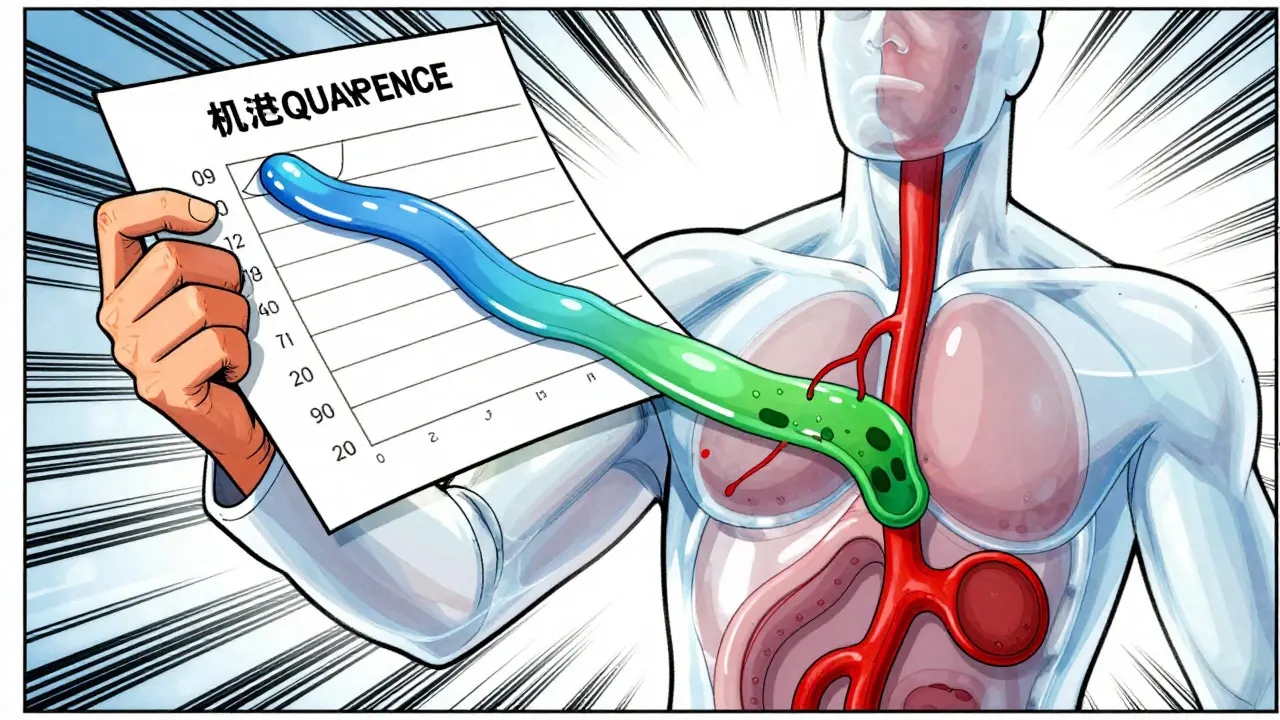
You might wonder, if generic makers don’t run clinical trials on patients, how does the FDA know the drug works? The answer is bioequivalence. This is the most important technical requirement in the entire process.
A generic drug must contain the same active ingredient(s) as the brand drug, in the same strength, dosage form, and route of administration. But more importantly, it must deliver that active ingredient into your bloodstream at the same rate and extent as the brand-name version.
To prove this, manufacturers conduct pharmacokinetic studies, typically involving 24 to 36 healthy volunteers. These studies measure how quickly the drug enters the blood and how long it stays there. If the generic’s performance falls within a narrow statistical range of the brand-name drug, it is considered bioequivalent. This ensures that when you switch from a brand to a generic, your body receives the therapeutic effect it expects.
| Feature | Brand-Name Drug (NDA) | Generic Drug (ANDA) |
|---|---|---|
| Clinical Trials | Required (Phase I-III) | Not Required (Relies on RLD data) |
| Active Ingredient | New Chemical Entity | Identical to Brand |
| Inactive Ingredients | Determined by Manufacturer | May Differ (e.g., dyes, fillers) |
| Development Cost | ~$2.6 Billion | $1-5 Million |
| Review Timeline | Often 10+ Years Total | 10 Months (Standard GDUFA Goal) |
Authorized Generics: A Strategic Loophole?
The title of this discussion often brings up a specific curiosity: authorized generics. What are they, and why do they matter?
An authorized generic is a generic version of a brand-name drug marketed by the brand-name manufacturer itself, or by a partner with their permission. Legally, it is sold under a generic label, but it is chemically identical to the brand product because it comes from the same source. No separate ANDA is needed for the brand company to sell its own drug as a generic once the patent expires or in certain strategic windows.
Why would a big pharma company do this? It’s about revenue retention. By releasing an authorized generic, the brand company captures some of the market share that would otherwise go to third-party generic competitors. For consumers, an authorized generic offers the same quality assurance as the brand name, often at a lower price point, bridging the gap between premium branding and cost-saving generics.
Patents, Litigation, and the 30-Month Stay
If the ANDA process is so efficient, why don’t generics appear immediately after a patent expires? The Hatch-Waxman Act also introduced a complex patent certification system. When filing an ANDA, the generic maker must certify their status regarding the brand’s patents listed in the Orange Book (the official list of approved drug products).
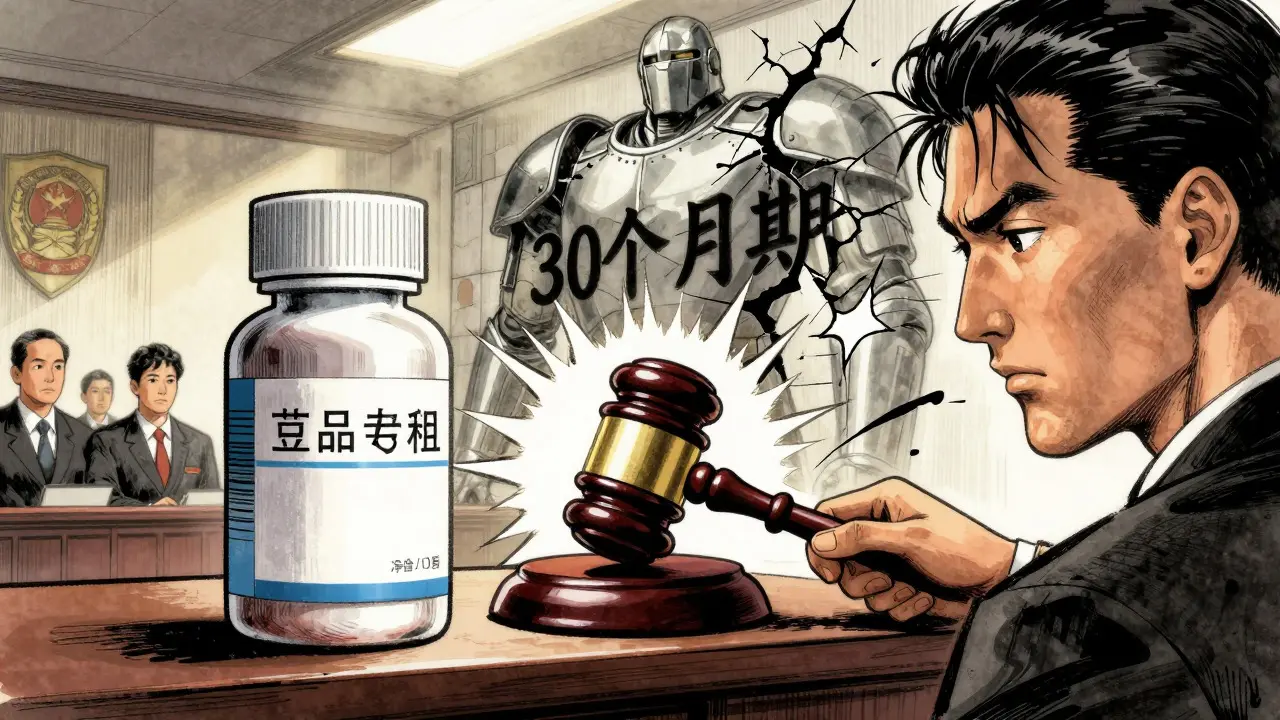
The most contentious certification is a "Paragraph IV" certification, where the generic maker claims the brand’s patent is invalid or won’t be infringed. If the brand-name company sues for patent infringement, the FDA is forced to pause the approval process for 30 months. This "stay period" gives courts time to resolve the dispute before the generic can hit the shelves.
This litigation strategy is a major factor in delayed access. While intended to protect intellectual property, critics argue it can artificially prolong monopoly pricing. Understanding this dynamic explains why some essential medications remain expensive long after their initial patent life should have logically ended.
Quality Standards and Manufacturing
A common misconception is that generics are "lesser" quality because they are cheaper. The FDA mandates that generic drugs meet the exact same batch requirements for identity, strength, purity, and quality as brand products. They must be manufactured under the same strict Good Manufacturing Practice (GMP) regulations.
The FDA inspects manufacturing facilities regularly. If a plant fails to meet standards, approvals are halted. The difference in cost comes from the lack of marketing expenses and the avoidance of duplicative clinical research, not from cutting corners on production quality. Whether it’s a simple tablet or a complex inhaler, the physical product must perform identically to the reference drug.
Current Trends and Future Outlook
The landscape of generic approval is evolving. In October 2025, the FDA announced a pilot prioritization program for ANDA reviews. This initiative rewards companies that test and manufacture their products in the U.S., aiming to strengthen the domestic pharmaceutical supply chain. This reflects a broader geopolitical shift toward securing local drug production capabilities.
Additionally, the FDA continues to tackle "complex generics"-drugs like topical creams, inhalers, and modified-release formulations that are harder to prove bioequivalent for than simple pills. Through initiatives like the Complex Generic Drug Product Development Resources, the agency is refining guidelines to bring more diverse types of affordable medications to market.
With the generic pharmaceutical market valued at approximately $125 billion in 2022, the impact of these regulatory mechanisms is massive. As biosimilars (generic versions of biological drugs) grow under the Biologics Price Competition and Innovation Act (BPCIA), the principles established by Hatch-Waxman will continue to guide how we balance innovation, competition, and patient access.
What is the legal basis for FDA generic approval?
The legal basis is the Drug Price Competition and Patent Term Restoration Act of 1984, known as the Hatch-Waxman Act. Specifically, Section 505(j) of the Federal Food, Drug, and Cosmetic Act creates the Abbreviated New Drug Application (ANDA) pathway, allowing generics to rely on the safety and efficacy data of previously approved brand-name drugs.
Are authorized generics safer than regular generics?
Authorized generics are chemically identical to the brand-name drug because they are produced by the same manufacturer. Regular generics must meet the same strict FDA quality and bioequivalence standards. Therefore, both are equally safe and effective, though authorized generics offer the psychological comfort of being from the original brand owner.
How long does it take for the FDA to approve a generic drug?
Under the Generic Drug User Fee Amendments (GDUFA), the FDA targets a 10-month review period for standard original ANDAs. Priority submissions, such as those for drugs in shortage or first-time generics, have a target action date of 8 months. Actual times can vary based on the complexity of the drug and any requested additional information.
What is bioequivalence in generic drugs?
Bioequivalence means the generic drug delivers the same amount of active ingredients into a patient's bloodstream in the same amount of time as the brand-name drug. This is proven through pharmacokinetic studies in healthy volunteers, ensuring therapeutic equivalence without needing full clinical trials.
Why do some generic drugs take years to arrive after patent expiry?
Delays often occur due to patent litigation. If a generic company files a Paragraph IV certification challenging a brand’s patent, and the brand sues, the FDA approval process is paused for a 30-month stay period while courts resolve the dispute. This legal battle can significantly delay market entry.
Can inactive ingredients in generics cause allergies?
Yes. While the active ingredient is identical, generic drugs may use different inactive ingredients like dyes, fillers, or binders. Patients with specific allergies to these non-active components should check the labeling or consult their pharmacist to ensure compatibility.
Write a comment