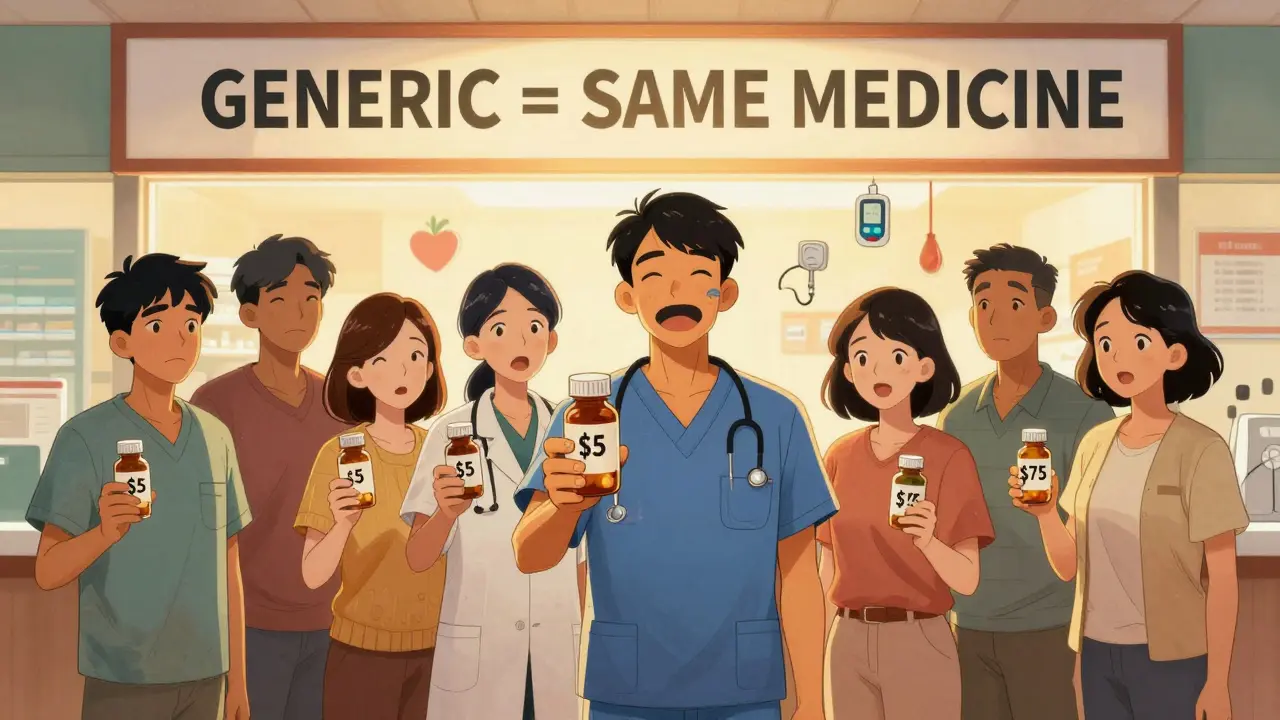

Biosimilar or Generic? How to Choose the Right Medication for Your Treatment
Learn the key differences between biosimilars and generics to make informed treatment choices. Understand safety, cost, and when each option is right for you.
PCI and CABG are the two main treatments for blocked heart arteries. Learn how they differ, who benefits most from each, and how to make the right choice based on your health, age, and disease complexity.
DOACs like apixaban and rivaroxaban offer lower bleeding risks and no routine blood tests compared to warfarin. Learn which is safer, cheaper, and更适合 for most patients today.
Market exclusivity extensions let pharmaceutical companies block generic drugs for years after patents expire. Learn how orphan, pediatric, and other regulatory tricks delay competition and drive up drug prices.
Euglycemic DKA on SGLT2 inhibitors is a life-threatening condition that mimics normal blood sugar but hides dangerous ketone buildup. Learn how to recognize it, treat it in emergencies, and prevent it with simple steps.
Statins are safe and beneficial for people with liver disease, reducing heart attack risk and improving liver outcomes. Evidence shows they lower portal pressure, prevent bleeding, and cut mortality-despite outdated fears.
Learn how to safely adjust insulin doses when crossing time zones to avoid dangerous highs and lows during travel. Essential tips for travelers with diabetes using insulin pens, pumps, or injections.
Buying counterfeit meds online can be deadly. Fake pills often contain fentanyl, toxic chemicals, or no active ingredient at all. Learn how to spot illegal pharmacies and protect yourself from life-threatening risks.
NT-proBNP blood testing is a critical tool for diagnosing heart failure. Learn when clinicians should order it, how to interpret results by age and kidney function, and why it's replacing older methods.
Huntington’s disease is a genetic disorder causing chorea, cognitive decline, and emotional changes. There’s no cure, but early care planning can extend life and improve quality. Learn how genetics, symptoms, and coordinated care make a difference.